


Table of Content
- How TikTok Search Insights Works
- Accessing Creator Search Insights
- Understanding TikTok's Search Data
- Finding Topics People Search For
- Identifying Overlooked Content Gaps
- Discovering What Your Followers Want
- Spotting Rising Search Trends
- Separating Popular Topics From Useful Ones
- Turning Search Queries Into Videos
- Tracking Performance Through Search Analytics
- Planning Content Around Search Demand
- Mistakes That Limit Search Visibility
- Final Verdict: Finding Demand Is Just the Beginning
TikTok is no longer just a place to discover entertaining videos. People use its search feature to find tutorials, product recommendations, comparisons, and answers to everyday questions. For creators, these searches offer a useful way to understand what audiences actually want.
TikTok Creator Search Insights helps identify frequently searched topics, content gaps, and emerging interests. Instead of relying entirely on trending videos, creators can use this information to plan content around existing demand.
How TikTok Search Insights Works
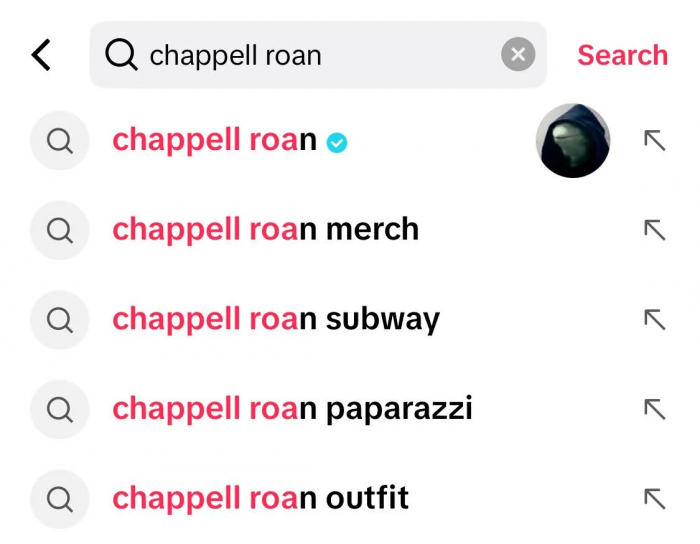
TikTok Creator Search Insights is a built-in research feature that shows topics people search for on the platform. It helps creators discover relevant subjects before producing videos.
The difference between search insights and the For You feed is audience intent. The For You feed recommends content based on viewing behavior and other signals, while search activity reflects something a person deliberately wants to find.
For example, someone watching fitness videos may enjoy workout challenges, but searching for "beginner strength training without equipment" suggests a specific learning goal.
Creator Search Insights helps creators identify these interests through topic suggestions, popularity indicators, and content-gap recommendations. However, search popularity is not a prediction of video performance. A relevant topic still needs a useful explanation, clear presentation, and an appropriate content format.
Accessing Creator Search Insights
TikTok provides access to Creator Search Insights through its search feature in supported regions.
Follow these steps:
1. Open TikTok and tap the search icon.
2. Enter Creator Search Insights in the search bar.
3. Select the Creator Search Insights tool from the results.
4. Explore suggested topics or search for a subject related to your niche.
5. Open relevant topics to examine available insights and related videos.
Depending on account eligibility, creators may also see personalized suggestions, content-gap filters, and follower-related searches.
If the tool does not appear, check for app updates and regional availability. Some features may not be accessible to every account.
Understanding TikTok's Search Data
Creator Search Insights provides several ways to explore audience interests. Understanding the difference between these signals helps prevent poor topic decisions.
| Feature | What it reveals | Practical use |
| Suggested topics | Subjects attracting search interest | Discover video ideas |
| Content gaps | Searches with relatively limited relevant content | Find overlooked questions |
| Search popularity | Interest associated with particular topics | Compare opportunities |
| Follower searches | Topics existing followers search for, where available | Understand audience needs |
| Search analytics | Available search-related performance information | Evaluate published videos |
These indicators serve different purposes. A popular topic may already have extensive competition, while a content gap may represent a smaller but more focused audience. The useful question is not simply how popular a topic appears, but whether an existing video answers the search effectively.
Finding Topics People Search For
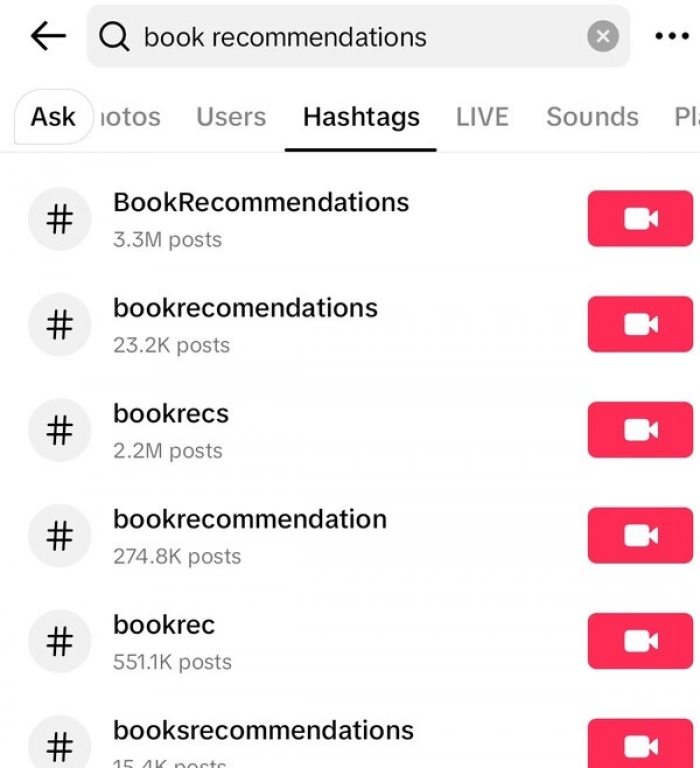
Effective topic research starts with a broad subject and gradually moves toward specific questions.
Suppose a creator produces home fitness content. Searching for "home workouts" provides a starting point, but the phrase does not reveal whether viewers want beginner exercises, weight-loss routines, or strength training.
A more focused research process involves:
● Start with a core keyword: Choose a broad subject directly connected to your content, such as fitness, skincare, photography, or budget travel.
● Explore related topics: Look for questions, problems, and specific goals associated with that subject.
● Inspect existing videos: Review the search results to understand what information is already available and what viewers may still need.
● Shortlist useful opportunities: Record topics that combine clear search intent, audience relevance, and room for a better explanation.
For example, a broad photography search might lead to video ideas about fixing blurry images, shooting indoors without flash, or understanding camera settings.
These are illustrative examples, not verified current TikTok search trends. The goal is to move from a general subject to a question that can be answered clearly within a video.
Identifying Overlooked Content Gaps
Content gaps are particularly valuable because they highlight subjects with search demand but relatively limited relevant video coverage.
However, a content-gap label does not automatically mean a topic is easy to rank for. Creators still need to examine the existing results.
Consider a search about improving smartphone photography. Existing videos might recommend expensive accessories while overlooking simple adjustments involving lighting, focus, or camera settings.
A creator who explains those adjustments clearly could offer a more useful answer without repeating existing advice.
Before selecting a content-gap topic, check whether the available videos:
● Answer the original question completely or leave important details unexplained.
● Provide current information rather than outdated methods or recommendations.
● Offer practical demonstrations suitable for the audience's experience level.
Comments can reveal additional questions, although they should be treated as qualitative feedback rather than proof of search volume.
The strongest content gaps are opportunities to improve the answer, not merely opportunities to publish another video.
Discovering What Your Followers Want
General search trends reveal broad interest, while follower searches can provide a more relevant picture of an established audience.
Where available, TikTok's follower-search feature helps eligible creators explore subjects their followers are searching for.
For example, a creator regularly publishing vegetarian recipes may discover related interests in affordable meal preparation, high-protein ingredients, or quick lunches.
These findings can support recurring content without requiring the creator to abandon an established niche. Creators without follower-specific insights can still examine repeated questions in comments, audience discussions, and previous video performance.
The important distinction is between attracting new viewers and serving existing followers. A balanced content strategy should account for both rather than allowing general popularity to dictate every topic.
Spotting Rising Search Trends
Search interest changes over time. Some topics attract attention for a few days, while others remain relevant for months.
Understanding the pattern helps creators decide when to publish and what type of video to produce.
| Search pattern | What it suggests | Content approach |
| Rising interest | Growing attention around a subject | Timely tutorials or explanations |
| Evergreen demand | Questions people repeatedly ask | Detailed educational videos |
| Seasonal demand | Interest linked to recurring events | Publish before expected peaks |
| Viral searches | Short-lived attention around a topic | Quick, relevant commentary |
These are planning categories, not official TikTok labels.
A finance creator, for example, could combine evergreen budgeting tutorials with timely explanations of new financial products.
Creators should also distinguish popularity from growth. A topic receiving considerable attention is not necessarily becoming more popular. Observing search suggestions over multiple periods, rather than relying on a single visit, provides a more useful basis for identifying changes.
Separating Popular Topics From Useful Ones
High search interest does not automatically make a topic suitable for every creator. A useful topic should connect audience demand with the account's expertise and offer something existing videos do not adequately provide.
Consider these two possibilities for a photography creator:
| Topic | Potential value | Main limitation |
| Viral celebrity photography trend | Broad temporary interest | Weak connection to educational content |
| Product photography using window light | Clear practical application | More specialized audience |
The second topic may offer stronger long-term value because it addresses a specific problem within the creator's niche.
Before selecting a topic, evaluate four factors:
1. Demand: Is there evidence that people are searching for it?
2. Relevance: Does the subject match the audience's interests?
3. Competition: Do existing videos already provide satisfactory answers?
4. Expertise: Can the creator contribute accurate information or a useful demonstration?
These considerations prevent search research from becoming a process of chasing keywords without a clear editorial purpose.
Turning Search Queries Into Videos
Finding a search topic is only the research stage. The next challenge is transforming that topic into a video that answers the viewer's question. Effective short-form video scripts should establish the subject quickly, provide relevant information, and avoid unrelated introductions.
A good search-focused video should establish the subject quickly, provide the relevant information, and avoid unrelated introductions.
| Search topic | Video concept | Effective opening |
| Beginner home workouts | Equipment-free exercise routine | Demonstrate the first exercise |
| Budget skincare routine | Essential affordable products | Explain what beginners need |
| Fix blurry phone photos | Common mistakes and corrections | Show a before-and-after comparison |
These examples demonstrate how search phrases can become more focused video ideas. Keyword placement also matters, but should remain natural. Relevant wording in spoken explanations, captions, and on-screen text can help communicate what the video covers.
TikTok's search system considers relevance to the query alongside other ranking signals, so repeatedly inserting a keyword is not a substitute for answering the question.
The content format should match the search intent. Tutorials work well with demonstrations, comparisons benefit from side-by-side explanations, and troubleshooting videos should show the problem and its solution.
A creator should also inspect the search results before recording. Understanding how existing videos approach a question can reveal opportunities to provide a clearer or more complete answer.
Tracking Performance Through Search Analytics
Search research becomes more valuable when creators compare their topic choices with actual video performance. Creator Search Insights offers search-related analytics, while TikTok Studio provides broader performance information. Available metrics vary by account.
Creators should examine search-related views or impressions where available, alongside watch time, retention, engagement, and audience feedback.
The relationship between these metrics matters more than any single number. For example, a video attracting search exposure but losing viewers quickly may have an unclear introduction or fail to deliver the expected answer.
Meanwhile, a video with strong engagement but limited search traffic may appeal to existing followers without receiving much search visibility.
Neither outcome proves a single cause. Comparing several videos on related subjects provides a more reliable indication of which topics and formats deserve further attention.
Planning Content Around Search Demand
Search insights become easier to use when related topics are organized into content themes rather than treated as individual, disconnected ideas.
A beginner photography creator could build a small series around improving everyday photos.
| Content category | Example topic |
| Basic skills | Understanding natural lighting |
| Common problems | Why indoor photos look blurry |
| Practical tutorials | Taking product photos near a window |
| Comparisons | Natural versus artificial lighting |
| Follow-up content | Editing photos without overprocessing |
Each video answers a different question while contributing to the same broader subject. A practical content calendar should combine evergreen tutorials, emerging searches, and occasional timely topics.
Creators should review their shortlist regularly, replace outdated ideas, and expand subjects that generate meaningful audience questions.
The objective is not to publish every search suggestion. It is to develop a recognizable body of useful content around subjects people repeatedly want to understand.
Mistakes That Limit Search Visibility
Even strong topic research can produce disappointing results when creators misunderstand what the available data represents.
The most common mistakes include selecting unrelated trending topics, treating content-gap labels as guaranteed ranking opportunities, and using keywords without answering the underlying question.
Copying existing videos too closely is another limitation. If a competing video already answers a question clearly, repeating the same explanation gives viewers little reason to choose an alternative.
Regional differences also deserve attention. Search habits, language, product availability, and seasonal interests may affect how relevant a topic is to a particular audience.
Most importantly, Creator Search Insights does not reveal every audience preference or guarantee visibility in search results. Creators should combine its suggestions with their own expertise, observation of existing content, and performance data rather than treating the tool as a complete content strategy.
Final Verdict: Finding Demand Is Just the Beginning
TikTok Creator Search Insights offers a practical alternative to choosing video topics purely from trending content. It helps creators identify questions, recognize underserved subjects, and make more informed publishing decisions.
I would prioritize specific searches with clear audience needs over broad topics that attract attention without offering a meaningful connection to the account.
Search insights can show what people want to find, but the real opportunity lies in providing answers that are accurate, relevant, and genuinely useful. That is what turns search research into a sustainable content strategy.