


Table of Content
Organic growth on X hasn't disappeared, but the way accounts earn visibility has changed. Conversations, relevant replies, and posts that hold attention are central to building an audience. Posting frequently without a clear strategy can produce impressions without meaningful follower growth.
The strongest organic strategies combine an optimized profile, focused content, consistent conversations, and regular performance tracking. Even smaller accounts can reach people beyond their existing followers through X's recommendation system.
Why Organic Growth Still Works in 2026
X has become more competitive, particularly for accounts without Premium subscriptions. However, the For You feed continues to recommend posts from accounts users don't follow, allowing smaller creators to reach new audiences.
Unlike a follower-only timeline, the recommendation system considers user interests, previous interactions, and relationships between accounts. A post from a relatively small creator can therefore reach substantially more people than their existing follower count.
Premium may offer visibility advantages, but successful organic growth still depends on relevant content and meaningful engagement. Accounts that consistently publish useful information and participate in conversations can build an audience without relying entirely on paid promotion.
How the X Algorithm Ranks Your Posts
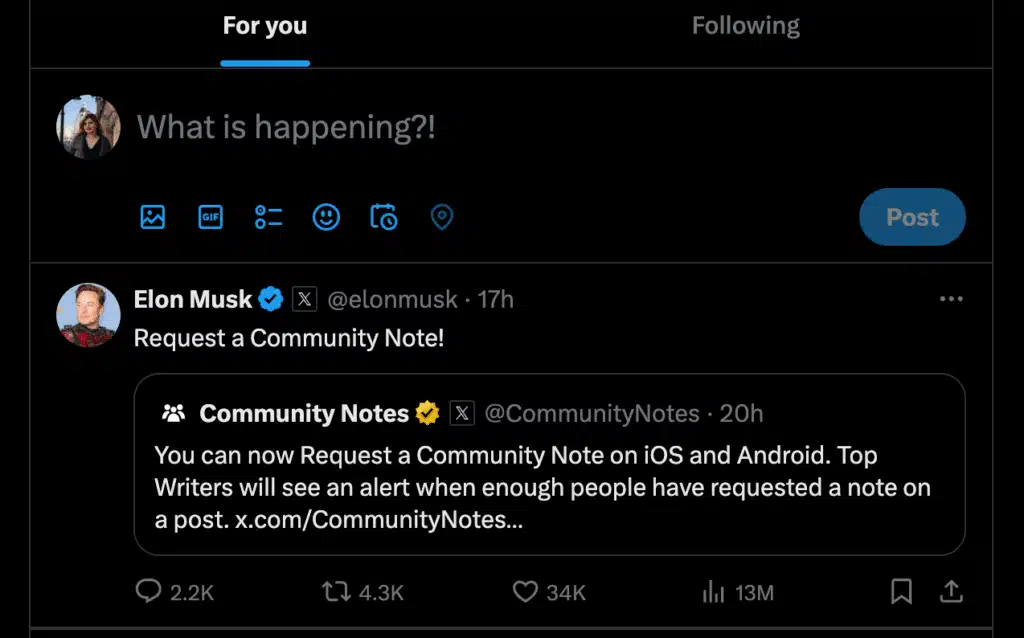
X's updated recommendation system uses machine learning to select and rank content for the For You feed. Its published architecture combines posts from followed accounts with recommendations discovered outside a user's existing network.
The process broadly involves three stages.
● First, candidate sourcing gathers posts from different accounts based on relationships, interests, and other recommendation signals.
● Next, scoring predicts how likely someone is to engage with each post.
● Finally, filtering and mixing removes unsuitable content and organizes the remaining recommendations.
The system considers multiple engagement signals rather than treating every interaction equally. Replies, reposts, likes, and other user behaviors can influence recommendations, although their precise importance varies.
Content relevance remains important. A post about technical SEO, for example, is more likely to attract meaningful engagement when it reaches marketers already interested in search performance.
The Ranking Signals That Decide Your Reach
Getting likes is useful, but likes alone don't explain why a post reaches thousands of people while another receives limited attention.
X evaluates different types of engagement alongside user interests, content quality, and negative feedback. Conversations and other meaningful interactions can contribute to distribution, while spam-like behavior can restrict visibility.
| Signals that can improve reach | Signals that can reduce reach |
| Meaningful replies and discussions | Muting, blocking, or negative feedback |
| Longer reading and viewing time | Repetitive, low-quality posts |
| Reposts with useful commentary | Spam-like posting patterns |
| Profile visits after engagement | Excessive unsolicited promotions |
| Interactions within relevant networks | Manipulative engagement tactics |
| Bookmarks and saved content | Duplicate or misleading content |
The most effective posts generate interest beyond a quick reaction. An informative post that encourages discussion can continue attracting engagement after publication.
However, engagement quality matters as much as quantity. Artificial replies, repetitive comments, and coordinated interactions are poor substitutes for genuine conversations.
Building a Profile That Converts Scrollers Into Followers
A post may generate thousands of impressions without producing many followers. Often, the problem is an unclear profile rather than weak reach.
The profile should immediately communicate the account's subject, expertise, and publishing focus. Three elements deserve particular attention:
● A well-written X bio should explain what followers can expect. "I share SEO experiments, content strategies, and marketing insights every week" communicates a clearer purpose than unrelated adjectives or job titles.
● The pinned post should showcase valuable work. A detailed explanation, strong thread, or introduction can demonstrate the kind of information regularly shared.
● The profile image, header, and handle should be consistent. Recognizable branding makes the account easier to identify across replies, reposts, and search results.
For example, a creator publishing about AI tools could pin a detailed comparison of popular writing assistants rather than a general welcome message. Profile visits are valuable only when visitors find a compelling reason to follow. Clear positioning and relevant pinned content improve that opportunity.
Picking Your Niche and Content Pillars
Accounts covering too many unrelated subjects often struggle to establish a recognizable audience. Consistent themes and a clear profile niche and pillars make it easier to attract people with shared interests.
A practical strategy is to establish three to five content pillars. These are recurring subjects that define the account without limiting every post to the same format.
A digital marketing account could focus on SEO case studies, content strategy, marketing tools, audience research, and campaign results.
Each pillar can support multiple angles. SEO case studies might cover traffic recovery, technical problems, content updates, or ranking improvements. Marketing tools could include comparisons, feature changes, and practical workflows.
The strongest pillars connect existing knowledge with subjects the intended audience actively follows. Consistency establishes an identifiable content direction while leaving room for fresh ideas.
Writing Posts That Earn Replies, Not Just Likes
A strong X post usually begins with a clear statement, observation, or result. Long introductions reduce the chance that someone will stop scrolling.
Specificity is particularly effective because it makes claims easier to understand and discuss.
Several writing approaches work well:
● Make a defensible claim. "Most SEO audits identify technical problems but fail to prioritize fixes" creates a clearer discussion point than a generic statement about SEO.
● Build curiosity around a measurable outcome. "Three changes reduced our content approval time by 30%" establishes a result that can be explained in the remaining post.
● Use practical examples. A breakdown of actual campaign adjustments carries more substance than broad advice about improving marketing performance.
For instance, a post explaining why one landing page generated more leads than another could include the headline change, conversion difference, and a short explanation of the result.
Endings should also feel natural. A relevant question or alternative interpretation can encourage discussion without relying on forced engagement prompts.
The Content Formats That Win Distribution
Content format affects how information is presented and consumed. Plain text posts are useful for short opinions, native videos work well for demonstrations, and threads allow longer explanations.
The most suitable format depends on the topic and the audience's preferences.
| Format | Reach potential | Best use |
| Plain text | High | Opinions, insights, discussions |
| Native video | High | Demonstrations and explanations |
| Image with text | Medium-high | Screenshots, statistics, visuals |
| Thread | Medium | Tutorials and detailed explanations |
| Poll | Medium | Audience feedback and research |
| X Article | Audience-dependent | Longer educational content |
| External-link post | Variable | Website visits and conversions |
Short posts often work well when the main point can be communicated in a few sentences. A comparison involving several tools, however, may benefit from a thread containing screenshots and explanations.
Native videos are particularly suitable for software demonstrations, product features, and visual processes. Images can also make statistics and technical concepts easier to understand. The priority is selecting a format that fits the information rather than using longer posts simply to appear more comprehensive.
Using Replies as Your Main Growth Engine
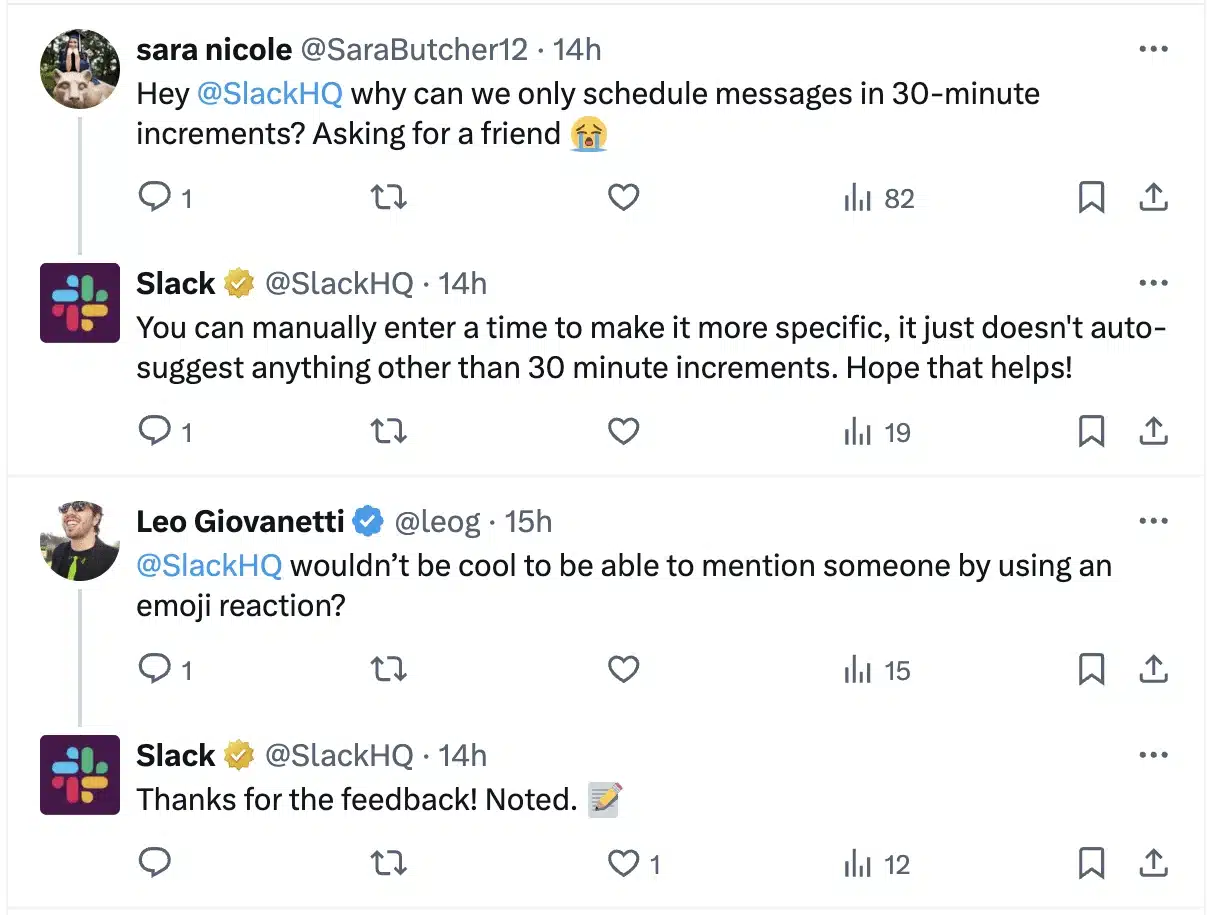
Thoughtful replies can introduce smaller accounts to established communities without requiring a large existing follower base.
A useful reply under a relevant post can attract attention from people following the original conversation. This is especially valuable when the comment provides information that wasn't included in the initial post.
Three habits improve reply quality:
● Participate while conversations are active. Early, relevant contributions have more opportunities to receive attention as a discussion develops.
● Focus on accounts with overlapping audiences. Creators discussing similar subjects provide more relevant networking opportunities than unrelated popular profiles.
● Make each reply informative. Add a practical example, supporting observation, or respectful counterargument rather than repeating the original statement.
For example, replying to a discussion about declining website traffic with a specific indexing issue and how it was resolved adds substance.
Ten to fifteen thoughtful replies daily can be a manageable starting routine for smaller accounts. However, the quality and relevance of those interactions matter more than reaching a fixed number. Consistent participation also helps establish relationships with creators who regularly discuss the same topics.
Posting Cadence and Timing Without Diluting Reach
Publishing more frequently doesn't guarantee better results. Several weak posts can generate less meaningful engagement than one strong, well-timed update.
For many accounts, one to three quality posts daily is a practical starting point. The appropriate frequency depends on content availability, audience response, and the time required to maintain conversations.
Posting schedules should reflect actual audience behavior. An account targeting Indian entrepreneurs may experience different engagement patterns from one focused on American technology professionals.
Account analytics can help identify active periods. Compare posting times over several weeks rather than relying exclusively on general recommendations. Spacing posts also makes it easier to respond to comments and assess performance without publishing another update immediately.
Working Around Link Suppression
External links create a balancing problem for accounts using X to generate website traffic. A post designed to send visitors elsewhere may receive different engagement from one focused entirely on native content.
X's recommendation system uses numerous signals, so external links should not automatically be treated as a guaranteed ranking penalty. Still, promotional posts with little original substance often struggle to attract meaningful discussion.
Three strategies help balance reach and traffic:
● Share the main finding directly. Summarize a useful result, statistic, or practical lesson before introducing the external resource.
● Place supporting links in a relevant reply. The main post can focus on discussion while the follow-up provides additional information, although this approach does not guarantee higher distribution.
● Include direct links when conversions matter most. Product announcements, registration pages, and time-sensitive offers may benefit more from straightforward access than maximizing impressions.
For example, instead of publishing only a blog title and link, a marketer could share a specific finding from a campaign, explain what caused the improvement, and provide the full case study. The strongest promotional posts contain useful information independently of the destination URL.
Premium, Verification and the Pay-to-Reach Reality
X Premium provides paid features and certain visibility benefits that free accounts don't receive. For creators and businesses, this introduces another consideration when planning audience growth.
However, a subscription doesn't guarantee strong engagement. Content still needs to attract attention, encourage relevant interactions, and match audience interests.
Premium may be more useful for accounts that already publish consistently and have measurable objectives, such as increasing profile visits, developing professional visibility, or expanding a creator-led business.
New accounts should prioritize a clear profile, relevant content, and consistent engagement before depending on subscription features. Premium can support an established strategy, but organic relationships and content quality remain essential.
Building Mutuals and a Real Network
A network of relevant creators can strengthen organic growth through ongoing conversations, shared interests, and content discovery. Mutual relationships develop when accounts regularly engage because they value each other's work. These interactions can expose content to overlapping audiences and create opportunities for future collaboration.
A smaller network of twenty or thirty relevant creators can be more useful than hundreds of unrelated connections.
For example, an SEO specialist might regularly engage with technical SEO professionals, content marketers, analytics experts, and independent website publishers.
The strongest relationships involve exchanging information, discussing developments, and contributing genuine observations. Engagement pods operate differently. Coordinating likes, reposts, or replies simply to manipulate visibility can violate X's authenticity rules.
Real networking requires consistency, but it produces relationships with value beyond individual post performance.
Tracking the Metrics That Predict Growth
Impressions and likes provide a basic picture of visibility, but they don't fully explain whether an account is attracting the intended audience.
Three additional metrics help identify growth opportunities:
● Profile visits per post: Measures how often content encourages people to investigate the account. Higher profile interest may indicate stronger audience curiosity.
● Reply rate: Compares the number of replies with impressions, helping identify posts that generate meaningful discussion.
● Follower conversion: Measures follower growth relative to reach or profile visits, revealing whether account positioning and content are working together.
A post attracting 20,000 impressions but very few profile visits may be gaining attention without establishing interest in the creator.
Similarly, an account receiving substantial profile traffic but limited follower growth may need a clearer bio, stronger pinned post, or more consistent subject matter. Weekly performance reviews help identify useful patterns. Compare successful posts by topic, format, timing, and engagement quality before making substantial changes.
Reach Killers and Shadowban Triggers to Avoid
Certain account behaviors can weaken organic performance or trigger platform enforcement. Others simply make content less appealing to the intended audience.
Common mistakes include:
● Excessive promotional posting: Repeatedly sharing links or sales messages without useful context can reduce interest and attract negative engagement.
● Mass following and follow-for-follow tactics: Aggressive following strategies often attract accounts with little genuine interest in the content.
● Deleting and reposting identical content: Repeatedly publishing the same material to manipulate visibility can be treated as spam.
● Duplicate and near-identical posts: Recycling substantially similar content across posts or accounts may violate platform rules.
● Misleading engagement bait: Questions designed only to provoke reactions often generate low-quality interactions.
● Purchased followers or engagement: Artificial activity distorts performance metrics and can lead to enforcement action.
A sudden decline in impressions does not automatically mean an account has been shadowbanned. Content relevance, audience behavior, competition, and recommendation changes can also affect performance. Review account status, recent activity, and posting patterns before attributing a decline to a hidden restriction.
Your 90-Day Organic Growth Blueprint
A structured 90-day schedule helps turn individual tactics into consistent habits. Each month should have a distinct focus, with progress measured through engagement, profile activity, and follower growth.
| Phase | Focus | What to do |
| Days 1–30: Foundation | Profile and consistency | Improve the bio and pinned post, establish 3–5 pillars, publish daily, and contribute 10–15 meaningful replies |
| Days 31–60: Momentum | Identify successful content | Review engagement, repeat effective topics, experiment with video, and build relationships with relevant creators |
| Days 61–90: Growth | Refine and expand | Focus on proven formats, improve follower conversion, engage larger relevant accounts, and develop repeatable content ideas |
Ninety days is not a guarantee of a particular follower count. However, maintaining a consistent strategy over this period produces more useful performance data than frequently changing tactics.
The Verdict
Growing organically on X in 2026 requires a combination of relevant content, meaningful conversations, clear account positioning, and consistent participation.
The most effective accounts do more than publish updates. They contribute useful information, respond thoughtfully to other creators, and develop recognizable expertise within their communities.
A focused profile, three to five content pillars, a manageable posting schedule, and regular performance reviews provide a strong foundation. Premium may offer additional advantages, but it cannot replace genuine engagement. Consistent execution matters more than isolated viral posts. Accounts that establish useful conversations and recognizable content are better positioned to turn occasional visibility into sustained audience growth.