

Table of Content
- Understanding Facebook Engagement Means
- How Facebook Ranks Content
- What Makes People Like Posts
- Why People Leave Comments
- What Makes Content Shareable
- Facebook Formats That Perform
- Writing Posts That Engage
- Building an Active Community
- Engagement Tactics That Backfire
- Building a Repeatable Strategy
- Improving Results Over Time
- Final Verdict
Getting likes on Facebook is relatively easy compared to getting people to comment, share, or return to a Page. Some posts receive hundreds of reactions but generate little discussion, while others attract fewer likes yet get shared widely.
These differences matter because every interaction serves a different purpose. A successful Facebook engagement strategy involves understanding audience behavior, creating relevant content, and giving people a genuine reason to interact.
Understanding Facebook Engagement Means
Facebook engagement refers to the actions people take when interacting with posts, including reactions, comments, shares, clicks, and other activities. These interactions help Page owners understand how their content resonates with an audience.
However, different actions indicate different levels of interest.
● Likes and reactions: Show immediate appreciation, agreement, amusement, or an emotional response without requiring much effort.
● Comments: Indicate that someone wants to share an opinion, ask a question, or contribute to a discussion.
● Shares: Suggest that a person considers the content useful or interesting enough to show someone else.
Engagement should also be considered alongside reach and views. A post with fewer total interactions may still perform well if it reaches a smaller, highly interested audience.
Understanding these differences helps creators focus on meaningful interactions rather than simply collecting reactions.
How Facebook Ranks Content
Facebook uses ranking systems to determine which posts appear in people's feeds. These systems consider factors such as user interests, previous interactions, content relevance, and predicted engagement.
For example, someone who frequently watches cooking videos and interacts with recipe Pages may see more related content. Another person who regularly engages with business discussions may encounter more professional content.
Several signals influence content distribution:
● Previous interactions: Regular engagement with a creator or Page can help Facebook predict future interest.
● Content relevance: Posts related to subjects a person frequently views may be more relevant to their feed.
● Viewing behavior: Video watch activity, reactions, and other interactions provide information about user preferences.
● Content quality: Facebook considers negative feedback and applies policies intended to reduce spam and manipulative content.
A large number of likes does not automatically guarantee greater distribution. Facebook evaluates multiple signals when deciding what content to recommend. For Page owners, consistently publishing content related to audience interests is generally more useful than chasing unrelated viral trends.
What Makes People Like Posts
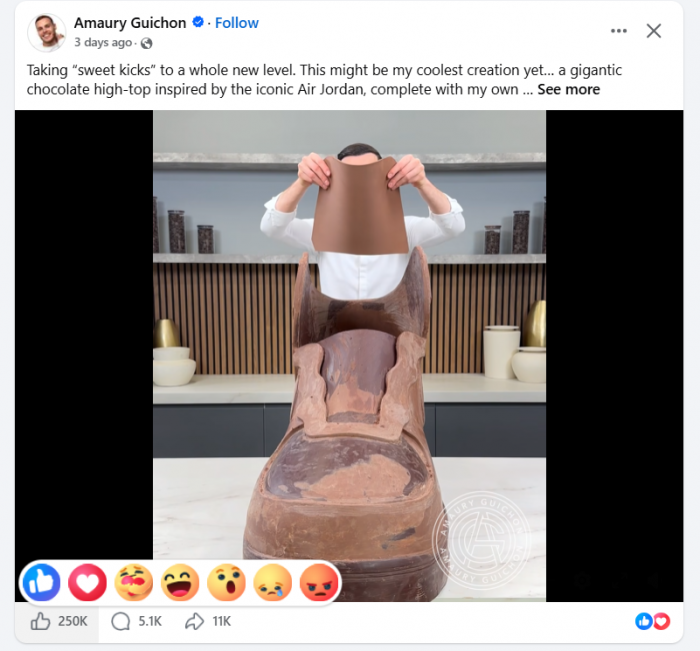
Likes and reactions are among the easiest Facebook interactions to generate because they require little commitment. People typically react to content that reflects their interests, experiences, or emotions.
Relatable posts often perform well because viewers recognize familiar situations. For example, a humorous post about unnecessary workplace meetings may attract reactions from professionals who have experienced similar frustrations.
Visual content can also encourage quick responses. Food photographs, product transformations, travel images, and before-and-after comparisons communicate their appeal without lengthy explanations.
Useful information provides another reason to react. A simple graphic explaining how to improve smartphone photographs may receive appreciation from people who find the advice helpful.
Three factors deserve attention when creating reaction-focused content: a recognizable subject, a clear message, and an appealing presentation. However, reactions should not be confused with customer loyalty or purchase interest. A humorous post may receive hundreds of likes without attracting potential customers or encouraging further interaction.
Why People Leave Comments
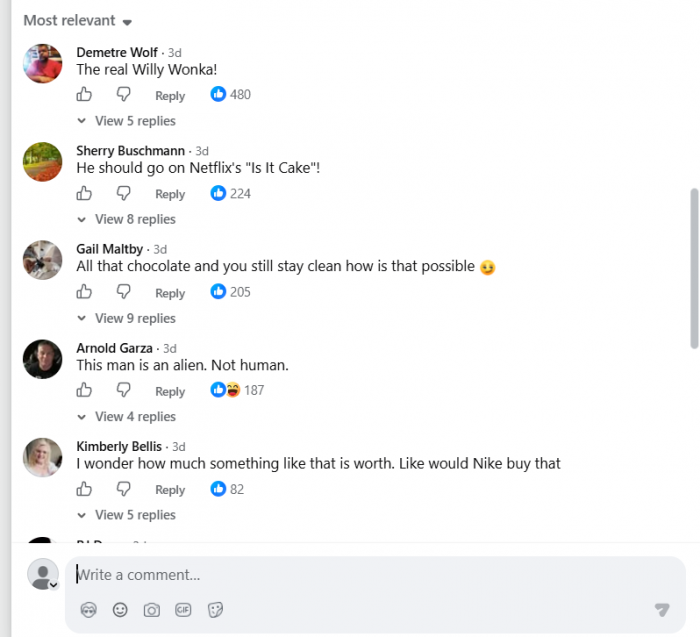
Comments require more effort than reactions. People usually comment because they have an opinion, want clarification, or believe their experience can contribute to a discussion. Specific questions are particularly effective because they give people something clear to respond to.
For example, a fitness Page could ask:
"Do you find it easier to exercise before work or in the evening?"
This works better than a broad question such as "What do you think about fitness?" because readers can answer from personal experience.
Other ways to encourage meaningful comments include:
● Discussing familiar problems: Ask followers how they handle challenges related to the Page's subject, such as maintaining a consistent study schedule.
● Inviting recommendations: Encourage people to share useful tools, techniques, or experiences that could help others.
● Responding thoughtfully: Answer questions and provide additional information instead of repeatedly posting generic acknowledgments.
Not every post requires a question. Detailed explanations, relevant industry updates, and observations about common challenges may naturally encourage discussion. The objective should be to generate useful conversations rather than large numbers of unrelated comments.
What Makes Content Shareable
People share Facebook content when they believe someone else will find it useful, entertaining, or relevant. Sharing often means the content offers value beyond the original viewer.
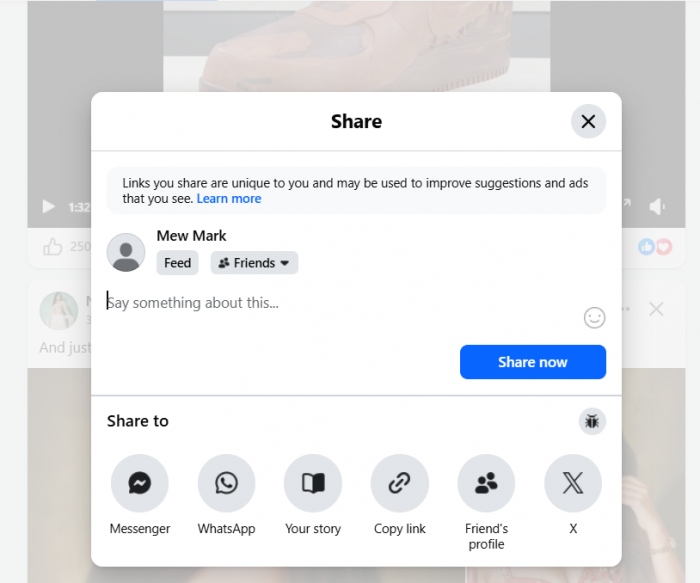
Practical information has a clear advantage. A checklist explaining how to identify suspicious shopping websites, for example, may be shared among friends and family because it addresses a common concern.
Educational content, including tutorials, checklists, and helpful comparisons, gives people information they can pass along.
Relatable posts also encourage sharing when they reflect experiences familiar to a particular community. Content about workplace habits, parenting challenges, or student life may circulate among people who recognize those situations.
Community-focused information can serve a similar purpose. Local announcements, event updates, and useful public information may be shared because they matter to a specific group.
Presentation also matters. A shareable post should contain enough context for someone unfamiliar with the original Page to understand it. Instead of directly asking followers to share every post, focus on producing content they have a genuine reason to distribute.
Facebook Formats That Perform
Different Facebook content formats support different kinds of engagement. The most suitable format depends on what the post communicates and how viewers are expected to respond.
A short video may be ideal for demonstrating a technique, while a text post can work better for encouraging discussion.
| Content format | Suitable content | Engagement potential |
| Text posts | Questions, experiences, opinions | Comments |
| Image posts | Photographs, graphics, comparisons | Reactions and shares |
| Facebook Reels | Tutorials, demonstrations, entertainment | Views and shares |
| Longer videos | Detailed explanations, interviews | Watch time and comments |
| Facebook Stories | Quick updates, informal content | Replies and interactions |
| Link posts | Articles, guides, external resources | Link clicks |
These are common use cases rather than guaranteed performance rankings. A detailed text post can receive more shares than a video when its information is particularly relevant.
For example, a bakery could publish a photograph of a new cake, create a Reel showing its preparation, and use a text post to discuss customer flavor preferences. Each format addresses the same general subject but gives people a different reason to engage.
Writing Posts That Engage
A Facebook caption should communicate its main point quickly. Broad introductions, unclear wording, and unnecessary details can make posts less appealing. Using specific social media caption prompts can help develop stronger openings that identify a familiar problem, introduce useful information, or give readers a reason to continue reading.
| Generic caption | Improved caption |
| Here are some productivity tips. | Spending too much time switching between tasks? Try grouping similar work into focused sessions. |
| Check out our new product. | Our new travel backpack includes a separate compartment for wet clothes and shoes. |
| What do you think about remote work? | Which part of working from home saves you the most time? |
The improved examples provide a clearer subject and a more relevant reason to respond. Caption length should depend on the content. A product photograph may need only a few sentences, while an educational post may require more explanation.
Longer captions should use readable paragraphs and avoid repeating the same point. Calls to action should also feel natural rather than appearing at the end of every post. The goal is to make the content useful and understandable even when someone chooses not to comment.
Timing and Posting Frequency
Posting time can influence how quickly followers encounter content, but no single schedule consistently produces the highest Facebook engagement.
Audience activity depends on factors such as location, working hours, age, and interests. A Page targeting students may experience different engagement patterns from one serving working professionals. Meta Business Suite provides performance information that helps Page owners compare recent posts and evaluate audience interactions.
Review existing content to identify patterns in publishing times, reach, and engagement. Comparing results across several weeks provides more useful information than judging a schedule based on one successful post.
Posting frequency should also reflect the amount of useful content a Page can produce. Publishing more frequently does not automatically generate stronger engagement. A small business may find three or four well-prepared posts per week manageable, while a news-focused Page may need more frequent updates.
The priority should be maintaining content quality while leaving enough time to respond to followers and review performance.
Building an Active Community
Facebook engagement becomes more meaningful when followers participate in ongoing conversations rather than simply reacting to posts.
Responding to comments is especially valuable for businesses and creators who regularly receive questions. A thoughtful reply can clarify information, address concerns, and encourage further discussion.
For example, if someone asks about the materials used in a product, explaining their properties provides more value than replying with a short acknowledgment.
Audience conversations can also reveal opportunities for future content. Repeated questions suggest that certain subjects need additional explanation. A technology creator receiving frequent questions about video editing software could turn those discussions into tutorials, comparisons, or troubleshooting posts.
Facebook Groups provide another opportunity to connect with people who share specific interests. However, participation should follow group rules and contribute relevant information rather than repeated promotional messages.
Building an active community requires consistent attention to audience needs, not simply encouraging followers to comment more often.
Engagement Tactics That Backfire
Some Facebook engagement tactics generate temporary activity without attracting a genuinely interested audience.
Meta has identified engagement bait as a practice that can result in reduced content distribution. This includes posts primarily designed to manipulate people into liking, commenting, or sharing.
Common mistakes include:
● Artificial engagement prompts: Asking people to comment with random words or react for unrelated reasons encourages activity without meaningful participation.
● Unrelated viral content: Publishing popular memes outside the Page's subject may attract attention from people who have little interest in its regular posts.
● Excessive promotion: Repeated sales messages give followers fewer opportunities to learn, discuss, or engage with useful content.
● Misleading captions: Exaggerated headlines may encourage clicks but can damage credibility when the actual content fails to deliver.
● Repetitive posting: Publishing similar messages with minimal changes can reduce the variety and usefulness of a Page's content.
Hashtags should also remain relevant. Adding numerous unrelated tags does not compensate for weak content or guarantee greater visibility. Meaningful engagement should come from genuine audience interest rather than tactics designed solely to increase interaction counts.
Measuring Facebook Engagement
Tracking performance helps identify which posts attract useful interactions and which require improvement.
Likes, comments, and shares should be reviewed separately because they reveal different audience behaviors. A post attracting many shares may be valuable for awareness, while one receiving detailed comments may reveal customer needs.
Engagement rate provides additional context by comparing interactions against reach or another defined audience measure. The same measurement method should be used consistently when comparing posts.
| Metric | What it reveals |
| Reactions | Immediate audience response |
| Comments | Discussion and participation |
| Shares | Interest in distributing content |
| Reach | Number of unique people reached |
| Views | Content displays or playback under the relevant definition |
| Engagement rate | Interaction relative to the selected audience measure |
| Link clicks | Interest in additional information |
The most relevant metric depends on the post's objective. An educational checklist may be evaluated through shares, while a post asking customers about their preferences may be judged through relevant comments.
Reviewing several posts on similar topics gives a clearer understanding of performance than focusing on one unexpectedly popular post.
Building a Repeatable Strategy
A practical Facebook engagement strategy starts with understanding what the intended audience wants to see. Look at previous post performance, customer questions, audience comments, and recurring challenges within the Page's subject.
Use this information to establish a few consistent content categories. A fitness Page, for example, might focus on beginner workouts, nutrition, recovery, and common training mistakes.
A balanced strategy should include content designed for different purposes. Educational posts can provide useful information, discussion posts can encourage participation, and learning to turn simple ideas into posts can help creators develop more engaging visual demonstrations, explanations, and conversations.
It is also useful to plan content around actual audience questions. If several followers ask about a particular feature or problem, addressing it in a separate post may be more valuable than publishing another general update.
Keep the publishing process manageable. A Page posting three times per week can maintain a useful balance between educational content, visual posts, and discussions. Review results regularly and adjust future topics according to what audiences respond to, rather than following a fixed content calendar regardless of performance.
Improving Results Over Time
Improving Facebook engagement requires identifying patterns across multiple posts rather than reacting to individual performance changes.
Review content over a consistent period and group posts by topic, format, and intended interaction. This helps determine whether certain subjects encourage more discussion, reactions, or sharing.
For example, a business may discover that product demonstrations attract more shares than promotional announcements, while customer experience posts generate more detailed comments.
Use those findings to refine future content. Test different caption openings, visual presentations, or topic approaches while keeping other factors reasonably consistent.
Comments can also provide information that analytics cannot. Repeated questions may reveal confusing instructions, missing product information, or subjects worth covering in greater detail.
Not every new post needs to outperform the previous one. Facebook distribution varies, and one successful post is not enough to establish a reliable strategy. The objective is to make gradual improvements based on repeated audience behavior and the usefulness of the content being published.
Final Verdict
A successful Facebook engagement strategy starts with understanding what motivates different interactions. Likes often reflect immediate reactions, comments create opportunities for discussion, and shares indicate that content is useful or relevant to a wider audience.
For creators and businesses, the most effective approach is to publish relevant content, choose suitable formats, write clear captions, and participate in audience conversations.
Regularly reviewing performance and responding to audience interests helps build engagement that extends beyond occasional likes and supports a more active Facebook community.