

Table of Content
I have been putting hashtags on posts since the era when thirty of them stacked under an Instagram caption passed for a strategy. For a while it genuinely helped. I kept a spreadsheet of the best tags for my niche, rotated them in blocks, and trusted the reach they seemed to deliver.
Then I started measuring instead of guessing. I ran the same content with and without the hashtag brick for a few months, and the answer stung a little: on most posts, that wall of tags was doing close to nothing. This guide is not recycled 2019 advice. It is what holds up in 2026, drawn from platform statements, recent studies, and a lot of my own posting.
The short version, if you only read one box • Hashtags stopped being a reach hack. They are now labels that tell an algorithm what your post is about. • The right number is small and platform specific. Instagram and LinkedIn sit around 3 to 5. X wants 1 to 2. Pinterest barely wants any. • Keywords in your caption, first line, on-screen text and audio now do more of the discovery work than the tags do. • Mid-size niche tags beat giant popular ones, because your post can actually surface inside them. |
What actually changed
For years, a hashtag was a distribution channel. You tagged #travel and your post walked through a public door into a feed people browsed by hand. More tags meant more doors. That mechanism is largely gone.
Today the recommendation systems read the whole post. They look at your caption, your visuals, your audio, and how people react in the first minutes, then decide who sees it. A hashtag became one small input among many, mostly a way to confirm the topic the system already guessed.
The signals of that change are concrete, not vibes. Instagram removed the ability to follow a hashtag in late 2024, then in a December 2025 update capped posts at five tags and enforces it. Adam Mosseri, who runs Instagram, has said plainly that hashtags no longer meaningfully increase reach, though they still signal what a post is about. On LinkedIn the follow-a-hashtag feature is also gone, and company Page hashtags were renamed to Specialisms. On X, the recommendation code that xAI open-sourced in 2026 scores posts on the text itself and on replies, reposts and bookmarks, so a tag adds little the model cannot already read.
THE OLD WAY · RETIRED A tag was a door into a public feed. More tags equalled more doors, and thirty was the ceiling everyone rushed to fill. | HOW IT WORKS NOW A tag is a label for the algorithm and for search. Fewer, precise tags give a cleaner signal than a wall of them. |
What hashtags actually do in 2026
They are not useless. They just have a smaller, more specific set of jobs than they used to. Here are the three that still hold.
1 Classification. They confirm your topic so the recommendation system can match your post to the right people who do not already follow you.
2 Search. Social apps turned into search engines. A well chosen tag plus real keywords in your caption help you show up when someone searches the topic. Around 4 in 10 Gen Z users now start their searches on apps like TikTok or Instagram rather than Google, according to Sprout Social's 2025 data.
3 Community and campaigns. A tag can gather a conversation, a challenge, or a movement in one place. This is the one classic use that still works exactly as it always did.
How many hashtags per platform
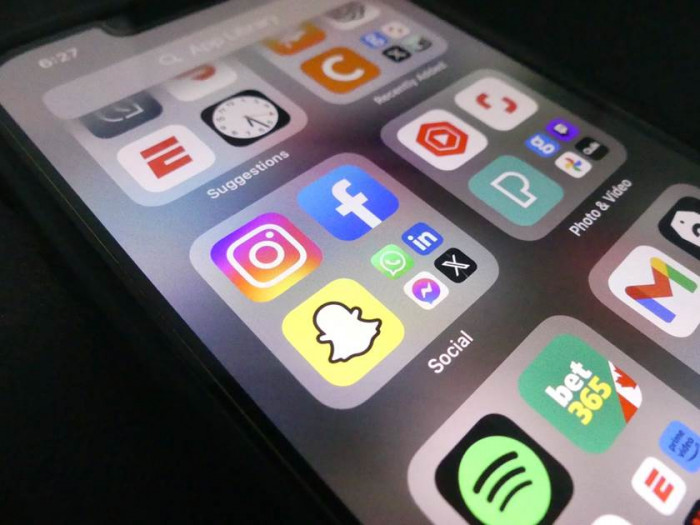
There is no universal number. Copying an Instagram tag block onto X is one of the fastest ways to look like spam. Here is the current sweet spot for each platform, then the details that matter.
| PLATFORM | SWEET SPOT | WHAT TAGS DO HERE NOW | SKIP |
|---|---|---|---|
| 3 to 5 | Topic labels for search and classification. Five is the hard cap. | The old 30-tag block. Captions matter more. | |
| TikTok | 3 to 5 | Search keywords and categorization for the For You page. | #fyp, #viral and anything off-topic. |
| 3 to 5 | Topic signal for search and feed. Place them at the end. | More than five. It reads as spam here. | |
| X (Twitter) | 1 to 2 | Joining live moments and niche communities. | Three or more. Stacking can trip spam filters. |
| YouTube | 3 to 5 | Clickable topic links shown above the title and in search. | More than 15. YouTube then ignores all of them. |
| 0 to 5 | Minor keyword reinforcement, nothing more. | Relying on them. Write keyword-rich titles instead. | |
| Threads | 3 to 5 | Surfacing in topic feeds and search. | Overloading. Discovery is still maturing. |
| 1 to 3 | Light categorization only. | Long tag lists. The impact is small. |
Treat each of your five slots as a keyword that describes this exact post. Use one broad tag, two or three mid-size niche tags, and one specific or branded tag. The bigger lever now is your caption, since the first line is prime search real estate. Put a real, searchable keyword there rather than a clever hook with no words anyone would type.
# TikTok
ByteDance's own editor, CapCut, points to 3 to 5 tags as the range where the algorithm gets a clean signal without mixed messages. TikTok also reads your on-screen text and transcribes your audio, so saying and showing your keyword matters as much as tagging it. Drop the reflex to add #fyp; it tells the system nothing about your content.
Here the data gets interesting. Metricool's June 2026 study of 673,658 posts found that posts with at least one hashtag pulled roughly 85 percent more impressions than the platform average, and clearly more interactions than posts with none. Yet algorithm analyst Chris Donnelly argues hashtags have not meaningfully worked for years, because LinkedIn now reads your full text to understand your topic. Both can be true at once: the tag itself is a weak signal, but people who bother to add a relevant one tend to write more complete, on-topic posts. Use three relevant tags at the end, mix one broad with one niche and one branded, and put your real effort into the writing.
# X (Twitter)
The recommendation system X open-sourced in 2026 reads your post and weighs replies, reposts and bookmarks far above a like. A hashtag adds little the model cannot already infer, and stacking several nudges you toward the spam classifier. Keep it to one or two worked into the sentence rather than dumped at the end, and save them for live events like #CES2026, niche communities like #BuildInPublic, and posts someone might actually search for.
# YouTube
Hashtags appear as clickable links above your title and in search results, so 3 to 5 topical ones genuinely help viewers find related videos. There is one firm rule worth memorizing: add more than 15 and YouTube ignores every hashtag on the video, not only the extras.
Pinterest is a visual search engine, not a hashtag feed. Its own team told creators years ago to step away from hashtags, and the algorithm ranks pins on keywords in the title, description and board names. A handful of tags will not hurt you, but spend your energy on exact-match and long-tail keywords in the description, which is what actually surfaces a pin months later.
How to choose the actual tags
Precision beats popularity. The tag with two billion posts buries you the second you post. The tag with fifty thousand is one you can actually rank in. When you have five slots, spend them like this.

| 1 | Broad topic tag Sets the general category. #Marketing |
| 2 | Mid-size niche tags Roughly 10k to 500k posts. These are your workhorses. #B2BSaaS #ContentStrategy |
| 1 | Long-tail specific tag Low competition, high intent. #EmailOnboardingTips |
| 1 | Branded or community tag Optional. For a campaign or a community you belong to. #BuildInPublic |
How to find them in two minutes Open the platform's search bar, type a seed keyword, and open the Tags tab. Read the post count next to each tag to judge how crowded it is, note the related tags it suggests, and keep only the ones that precisely describe the post in front of you. Skip any saved top-100 block. A frozen list goes stale fast and wastes the few slots you have. |
Mistakes worth unlearning
None of these throw an error. They just slowly cost you reach while you assume the tags are helping. I have made every one of them.
01 The copy-paste brick Reusing the same big tag block on every post reads as repetitive, spammy behaviour and can get your content deprioritized. Instagram caps you at five now anyway, so make each one earn its place. | 02 Chasing the giants A tag like #love has billions of posts and you vanish in it within seconds. Mid-size tags, roughly 10k to 500k posts, are where new content can still surface. |
03 Tags that miss the post Popular but irrelevant tags confuse the classifier and can trip spam filters. A tag that matches your content beats a bigger one that does not, every single time. | 04 Forgetting the caption On Instagram, TikTok and Pinterest, searchable words in your caption, first line, on-screen text and audio now carry more of the discovery load than the tags. Write that part first. |
05 Tagging inside replies On X and LinkedIn, hashtags stuffed into replies and comments look like spam and do nothing for you. Just write like a person in the thread. | 06 Trusting a broken tag Some tags get restricted after being flooded with spam, and posting under one can quietly suppress your reach. Search a tag in the app and glance at what shows up before you rely on it. |
Branded and community tags
The single hashtag use that never lost its power is the branded or community tag, because it does something an algorithm cannot: it gathers people around a name.

Coca-Cola's #ShareACoke turned personalized bottles into a flood of user posts, drawing hundreds of thousands of tagged accounts across Instagram and Twitter and helping reverse a sales slide. The #IceBucketChallenge, which a small group of patients started rather than a brand, gathered enough tagged videos to raise more than 100 million dollars for ALS research. Neither depended on the feed mechanics that have since changed. They worked because a memorable tag gave people a shared banner to post under.
You do not need that scale for the same logic to pay off. A campaign tag for a product launch, or a community tag you actually belong to like #100DaysOfCode, gives your audience a place to rally and gives you a ready feed of content to reshare. The rule is short: make the tag specific, make it easy to spell, and make sure it is yours to own rather than one already crowded with other meanings.
Measure, do not assume
Your own analytics will tell you more than any published study, because they reflect your niche, your audience and your content rather than an average.

Watch three things. Search impressions show whether your posts surface when people search, and both Instagram and LinkedIn expose this. Saves and shares are the strongest signal that content is worth recommending, so track them more closely than likes. Profile visits after a post hint that it reached people who did not know you yet. Then test properly: publish similar content with and without a specific tag across twenty or thirty posts before you draw any conclusion. A single post proves nothing.
# A NOTE ON THE NUMBERS You will see confident claims like “this exact tag count lifts engagement 22 percent.” Treat them as directional at best. Many are not traceable to any real platform study, and results swing wildly by niche, account size and format. The platform-specific counts in this guide are consistent across sources and safe to follow. The precise percentages floating around the internet are not. |
Where I actually landed
After a year of treating hashtags as an experiment rather than a reflex, my view has settled. They matter far less than I once believed, and far less than most guides still claim, but they are not dead. On my own accounts, the change that actually moved reach was never a smarter tag block. It was writing captions with real, searchable keywords in the first line, choosing three or four mid-size tags that honestly fit the post, and pouring the hours I used to spend curating hashtags into making something worth saving. The posts that do well now would mostly do well with no tags at all. The tags just help the right people find them a little faster. So my honest advice is to stop optimizing hashtags and start using them. A few precise, relevant ones per post, matched to the platform, placed without fuss, and then forgotten so you can get back to the work that carries the post. That is the whole game in 2026, and it is a far easier one to play than the one I started with. |