

Table of Content
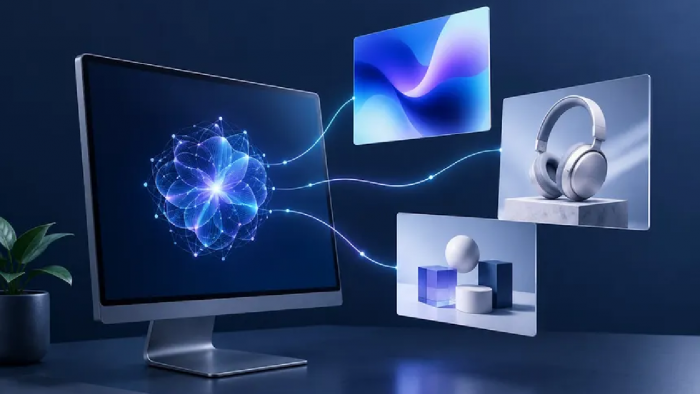
Artificial intelligence is changing how creators design visuals, produce videos, and communicate ideas online. Tasks that once required specialized software, production teams, and hours of editing can now begin with a simple text prompt. From marketing campaigns to educational content, AI-powered tools are helping individuals and businesses turn concepts into engaging digital experiences.
The Growing Role of AI in Visual Content Creation
Visual content plays an important role in digital marketing, social media, and online education. Audiences often respond better to content that combines clear messaging with compelling images, animations, and video. However, producing these assets consistently can be challenging for creators working with limited time or budgets.
AI tools simplify parts of this process by helping users generate images, explore creative styles, develop visual concepts, and produce videos from written descriptions. Rather than replacing every aspect of creative work, these tools provide a faster starting point for experimentation and production.
How AI Avatar Videos Make Communication More Engaging
Video has become a popular format for tutorials, product demonstrations, internal training, and social media campaigns. An AI avatar video generator can help creators produce presenter-style videos featuring digital avatars that deliver scripts without requiring a person to record every scene on camera.
Businesses can use these videos to introduce products, explain services, welcome new customers, or create educational material. Content creators can also experiment with different presenters, languages, and presentation styles to reach audiences across multiple platforms.
The most effective results usually come from combining a well-written script with a suitable avatar, natural-sounding narration, and clear visual direction. Creators should also review pronunciation, lip synchronization, and the overall presentation before publishing.
Creating Better Visual Assets with Ideogram 4.5
Images remain essential for thumbnails, advertisements, social media graphics, presentations, and website content. Tools such as Ideogram 4.5 give creators another way to explore image-generation workflows and refine visual concepts using written instructions.
When developing campaign assets, creators can experiment with different compositions, color palettes, typography, and design styles before deciding which direction best communicates their message. Image-generation and editing capabilities can be particularly useful when producing promotional graphics or visual materials that need to align with a brand identity.
For example, a marketer planning a product launch could create a campaign poster, develop supporting social media visuals, and refine the design to match the intended audience. Reviewing text accuracy, visual consistency, and brand guidelines remains important before using generated images commercially.
Combining AI Images and Avatar Videos in One Workflow
One of the most practical ways to use AI is to combine different creative formats rather than treating image and video production as separate tasks.
A creator could follow this workflow:
- Develop the concept: Define the audience, purpose, and key message of the campaign.
- Create supporting visuals: Use an image-generation tool such as Ideogram 4.5 to explore graphics, backgrounds, or promotional concepts.
- Prepare the script: Write concise, audience-focused messaging for the video.
- Generate the presentation: Use an AI avatar video generator to turn the script into a presenter-led video.
- Refine the final content: Add captions, supporting images, transitions, and branding where appropriate.
- Review before publishing: Check factual accuracy, image quality, audio, accessibility, and any applicable usage rights.
This approach allows creators to develop a coordinated set of assets for product launches, educational campaigns, and social media promotions.
What Should Creators Consider When Choosing AI Tools?
Not every AI tool is designed for the same purpose. Some focus on image generation, while others specialize in avatar-based presentations, animation, or full video production. Before selecting a platform, creators should consider several factors:
- Ease of use: Can the tool support the user's skill level and existing workflow?
- Output quality: Are the generated visuals and videos suitable for the intended audience?
- Customization: Can users control styles, scripts, layouts, and other creative details?
- Consistency: Can assets maintain a recognizable visual identity across a campaign?
- Cost and licensing: Do the available plans and usage rights meet the project's requirements?
- Editing flexibility: Can the output be refined without rebuilding the entire project?
Testing a few representative projects before committing to a tool can help creators understand its strengths and limitations.
The Future of AI-Assisted Creativity
AI is making visual experimentation more accessible to freelancers, small businesses, marketers, educators, and independent creators. Image-generation tools can help transform ideas into visual drafts, while avatar-based video platforms can make scripted communication easier to produce.
The strongest workflows combine these capabilities with human judgment. Creative direction, storytelling, audience understanding, and quality control still determine whether the final content is useful and memorable.
As AI technology continues to evolve, creators who learn how to combine image generation, video production, and thoughtful editing will be better equipped to develop engaging content for an increasingly visual digital environment.