

Table of Content
The first time I used Haiper, I actually paused for a second.
Not because it was perfect. It wasn’t. But it was fast in a way that felt… different.
You type something simple like a scene or an idea, and within seconds, you’ve got a video. Not a rough draft. Something that actually looks usable at first glance.
And if you’ve ever spent hours inside an editor just trying to cut clips together, that kind of speed hits hard.
For a moment, it feels like you’ve skipped the hardest part.
What Haiper Was Trying to Do

Haiper wasn’t trying to be another editing tool.
It was trying to replace that entire process.
You didn’t edit videos. You described them.
You could:
- Turn text into short clips
- Animate images
- Change how a video looked without touching timelines
And honestly, for quick content, it worked better than expected.
That’s why a lot of people, including me, didn’t just test it.
We started depending on it.
Where It Started Getting Weird
At some point, something changed.
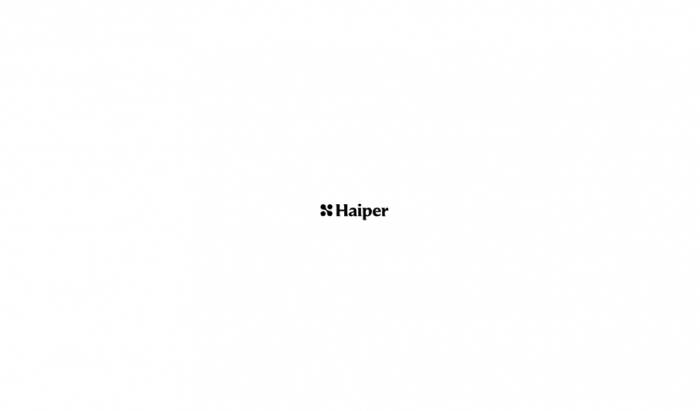
You’d go back to the site, and instead of the dashboard, you’d just get a blank page with a logo.
No error. No explanation. Just nothing.
At first, it felt like a glitch.
Then more people started saying the same thing.
And that’s when it stops being a bug and starts feeling like something else entirely.
The Part That Frustrated People the Most
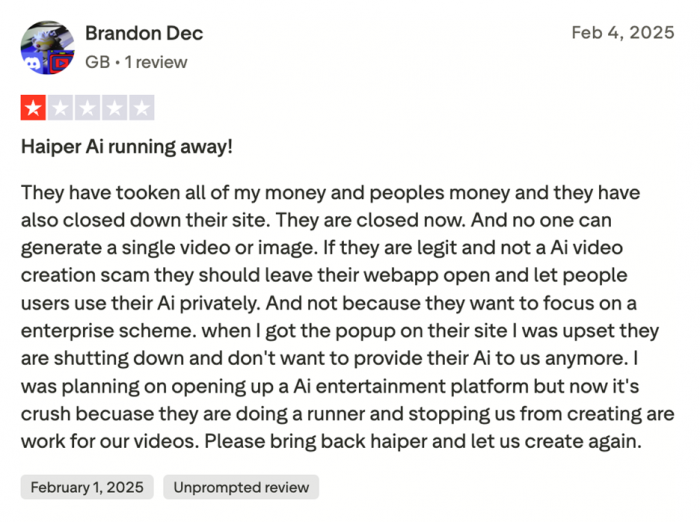
It wasn’t just that the tool became unreliable.
It was the silence.
No clear update. No real explanation about what was happening. And meanwhile, some users were still being charged or had credits they couldn’t use.
That kind of thing hits differently when you’ve already put time into a tool.
Some people even mentioned losing access to projects they hadn’t exported yet .
That’s not just an inconvenience.
That’s trust breaking.
Even Before That… It Wasn’t Perfect
Looking back, there were signs.
The videos looked good at first. Clean lighting. Smooth motion. Enough to make you think, “this is it.”
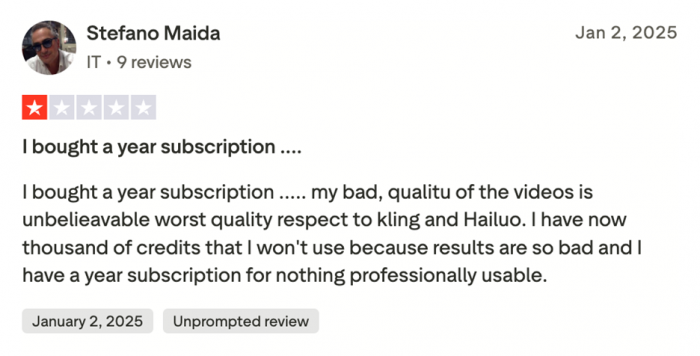
But once you tried to build something longer, things got messy.
Scenes didn’t quite match each other. The tone would shift slightly. You’d regenerate clips just to get consistency.
It didn’t feel like building a video.
It felt like stitching together pieces that almost fit.
And the more you used it, the more that became obvious.
So What Actually Happened?
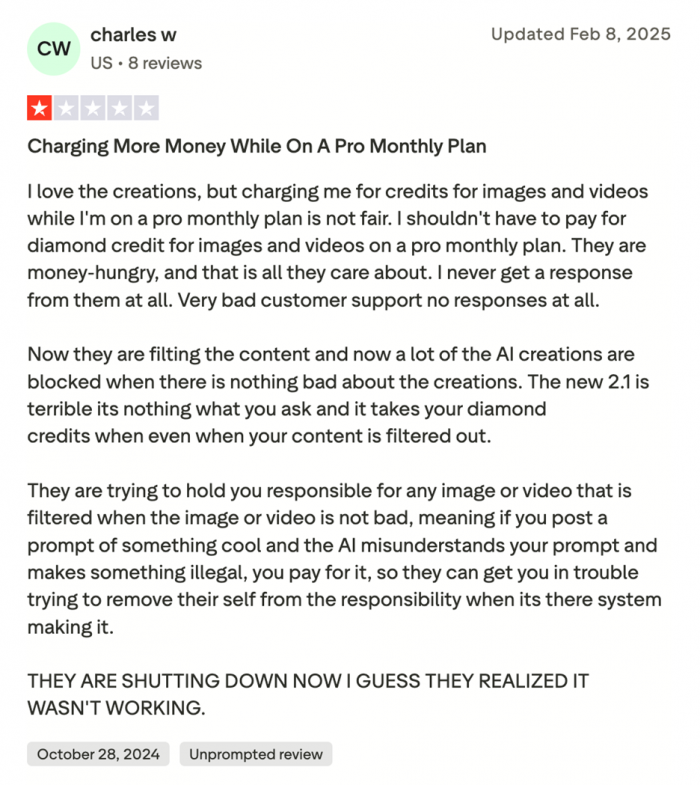
From what’s been pieced together, the consumer version of Haiper didn’t really “fail” in the usual sense.
It just… moved on.
The company shifted direction. Parts of the team went elsewhere. The focus seems to have gone toward bigger, enterprise-level work instead of individual creators .
From a business standpoint, that’s normal.
From a user standpoint, it feels like the rug got pulled out.
Why People Didn’t Stick Around
Here’s the reality.
When a tool becomes unpredictable, people don’t wait for explanations.
They replace it.
That’s exactly what happened here.
Creators moved to tools that might not have been as exciting at first, but at least they worked consistently.
Because in the long run, reliability matters more than potential.
The One Thing Haiper Got Right
Even with everything that happened, there’s one thing I’ll give it.
It showed what video creation could feel like when the friction is gone.
No timeline. No dragging clips. No endless tweaking.
Just idea → output.
That part worked.
And that’s probably why people were willing to overlook the flaws at first.
What This Actually Teaches You (If You’re Paying Attention)
This isn’t really about Haiper.
It’s about how fast this whole space is moving.
Tools come out, look incredible, and then either change direction or disappear.
If you’re building anything seriously, you can’t rely on one platform like it’s permanent.
Because it’s not.
That’s the real takeaway.
Final Thoughts
I don’t think Haiper was a bad tool.
I think it came in early, showed what was possible, and then moved on before it became stable.
That happens a lot in AI right now.
And if you used it, you probably had the same experience.
At first, it felt like a shortcut.
Then it slowly turned into something you couldn’t rely on.
And once that happens, it doesn’t matter how good the idea was.
You just move on.