

Building an Instagram community requires more than attracting followers and publishing regularly. It involves bringing people together around shared interests, creating opportunities for participation, and developing relationships that extend beyond individual posts.
Starting from zero requires a deliberate approach to audience discovery, content creation, and communication. This guide explains how to attract your first members, encourage meaningful interactions, and develop an Instagram community that grows through active participation rather than follower numbers alone.
Define Your Community Purpose
A community needs a specific reason for people to gather. Choosing a broad niche establishes what an account discusses, but defining a community purpose establishes why people should become involved.
For example, photography is a niche, while helping beginner mobile photographers improve their skills through weekly challenges and constructive feedback is a community purpose. The second approach gives people a clear reason to participate and return.
Establish the community's direction by answering four questions:
● Who are the people the community intends to bring together?
● What shared interests, challenges, or ambitions connect these individuals?
● What can members gain through participation beyond consuming regular content?
● What experiences, knowledge, or opportunities can members contribute to one another?
Research relevant Instagram accounts, comment sections, and online discussions to identify recurring audience concerns. Pay attention to the language people use when describing their problems rather than relying entirely on broad demographic categories.
A clearly defined purpose also creates editorial boundaries. It helps determine which content belongs on the account, which collaborations are appropriate, and which discussions are worth developing.
Create a Community-Ready Profile
Before attracting members, prepare an Instagram profile that communicates the community's identity. A well-written Instagram bio should help new visitors understand who the account serves, what it offers, and how they can participate without scrolling through dozens of publications.
Use a public professional account when broad discovery and access to performance analytics are priorities.
| Profile element | Recommended approach |
| Username | Choose a recognizable name connected to the community's identity. |
| Profile photo | Use a clear face, logo, or recognizable visual symbol. |
| Instagram bio | Explain who the community serves and what members gain. |
| Pinned posts | Introduce the community, provide a useful resource, and explain how to participate. |
| Story Highlights | Organize resources, challenges, discussions, and member contributions. |
| Bio link | Direct visitors to relevant resources, events, or participation opportunities. |
For a mobile photography community, a focused bio could read:
Helping mobile photographers improve one shot at a time. Weekly photo challenges, editing tips and creative feedback.
Prepare six to nine initial publications covering introductory content, practical resources, discussion topics, and participation opportunities. This is a suggested starting collection, not a platform requirement. Its purpose is to give early visitors enough context to decide whether the community matches their interests.
Attract Your First Members
The first stage of community growth requires active discovery. Publishing content on a new account and waiting for Instagram to distribute it leaves too much of the process dependent on recommendations.
Start by identifying smaller niche accounts whose followers regularly participate in relevant discussions. Comment sections are particularly useful for discovering people asking questions, sharing experiences, and expressing challenges related to the community's purpose.
Focus on the following acquisition methods:
● Contribute to existing discussions: Leave informative comments that address questions or add useful perspectives rather than promoting the account.
● Publish searchable content: Address specific problems through descriptive captions, relevant keywords, and focused educational content.
● Connect with complementary creators: Develop collaborative publications with accounts serving similar audiences without directly competing for the same offering.
● Invite relevant existing contacts: Introduce the community to professional connections, customers, or acquaintances who genuinely share its interests.
● Follow up on meaningful interactions: Continue conversations naturally when someone demonstrates an interest in the community's subject.
Set aside approximately 15 to 30 minutes daily for discovering accounts and participating in relevant discussions. Treat this as a manageable working routine rather than an engagement quota.
The first few regular participants are especially valuable because their questions, feedback, and interests help shape the community before its direction becomes established.
Publish Participation-Led Content
Community-focused content gives people something to contribute, discuss, or experience together. Educational content establishes credibility, but participation opportunities help transform that credibility into relationships.
Develop a content mix that serves different stages of community involvement.
| Content category | Practical example | Community objective |
| Educational carousels | Mobile photography techniques | Establish shared knowledge |
| Discussion posts | Share a photography mistake | Encourage experience sharing |
| Interactive Stories | Vote on the next tutorial | Involve members in decisions |
| Collaborative Reels | Creator-led editing demonstration | Introduce relevant new members |
| Member spotlights | Feature a follower's photograph | Recognize contributions |
| Community challenges | Weekly street photography challenge | Encourage recurring participation |
Each format should have a defined purpose. Reels can introduce unfamiliar audiences to the community, while carousels provide useful knowledge that gives visitors a reason to stay. Discussion posts and interactive Stories then create opportunities for deeper involvement.
Avoid attaching a forced engagement request to every publication. Some content should deliver value without asking members to comment, vote, or share.
A useful starting routine is three feed publications per week, supported by Stories on several days. Adjust this schedule according to content quality, available resources, and the audience's response rather than maintaining frequency at the expense of meaningful interaction.
Start Meaningful Conversations
Responding to comments is a basic community management activity. Developing those comments into conversations requires recognizing the individual contribution and giving the discussion somewhere useful to go.
A generic response such as “Thanks for sharing” acknowledges a comment but rarely develops it further. A response that addresses the person's experience creates a more meaningful exchange.
Consider a member commenting on a mobile photography tutorial:
Member's comment - I always struggle with taking clear photos at night.
Basic response - Thanks for sharing! Keep practising.
Community-focused response - Are you struggling more with motion blur or excessive image noise? Both require different camera adjustments. I'll cover these in the next tutorial.
The second response identifies a specific problem, invites further discussion, and creates an opportunity for future content.
Apply the same approach when writing captions. Specific questions about experiences, challenges, or preferences are easier to answer than broad requests for opinions and encourage more meaningful conversations.
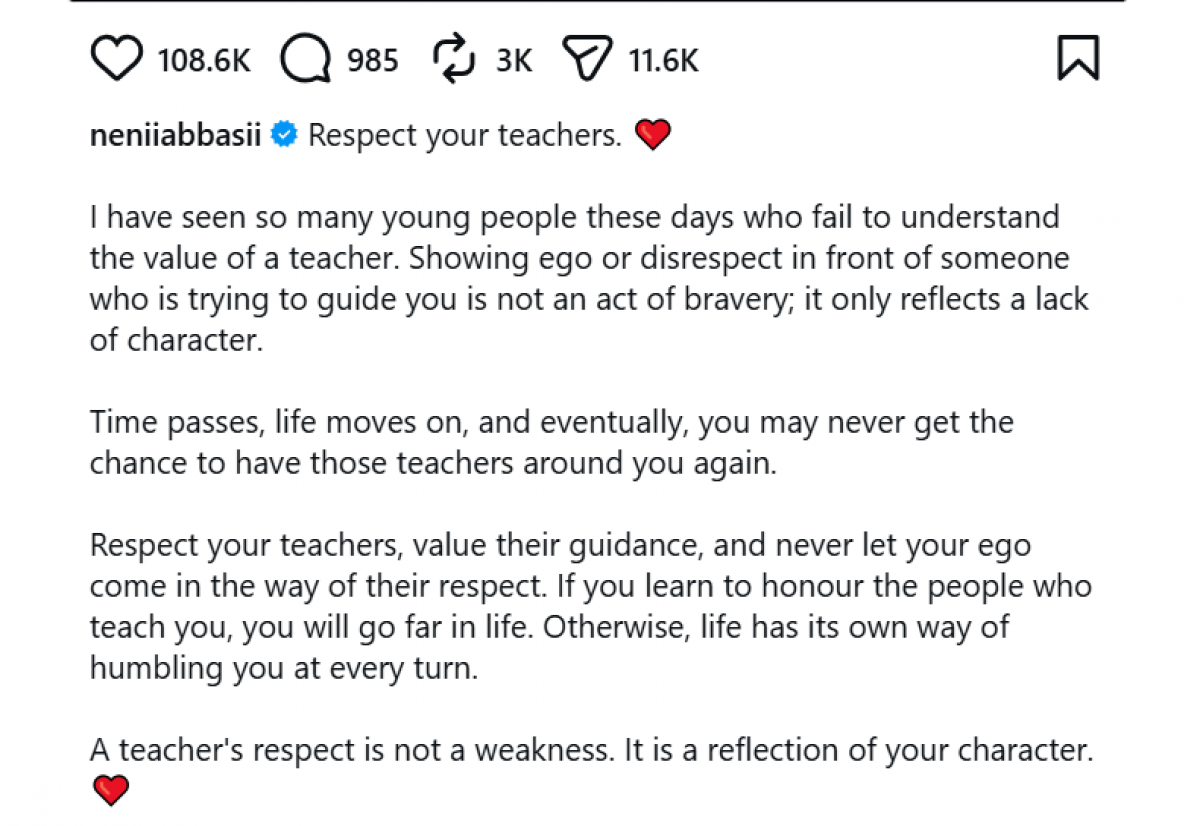
Pin particularly useful comments when appropriate, acknowledge recurring contributors, and respond constructively to differing viewpoints. Turning common questions into subsequent posts also demonstrates that member participation influences the community's direction.
Use Instagram Community Features
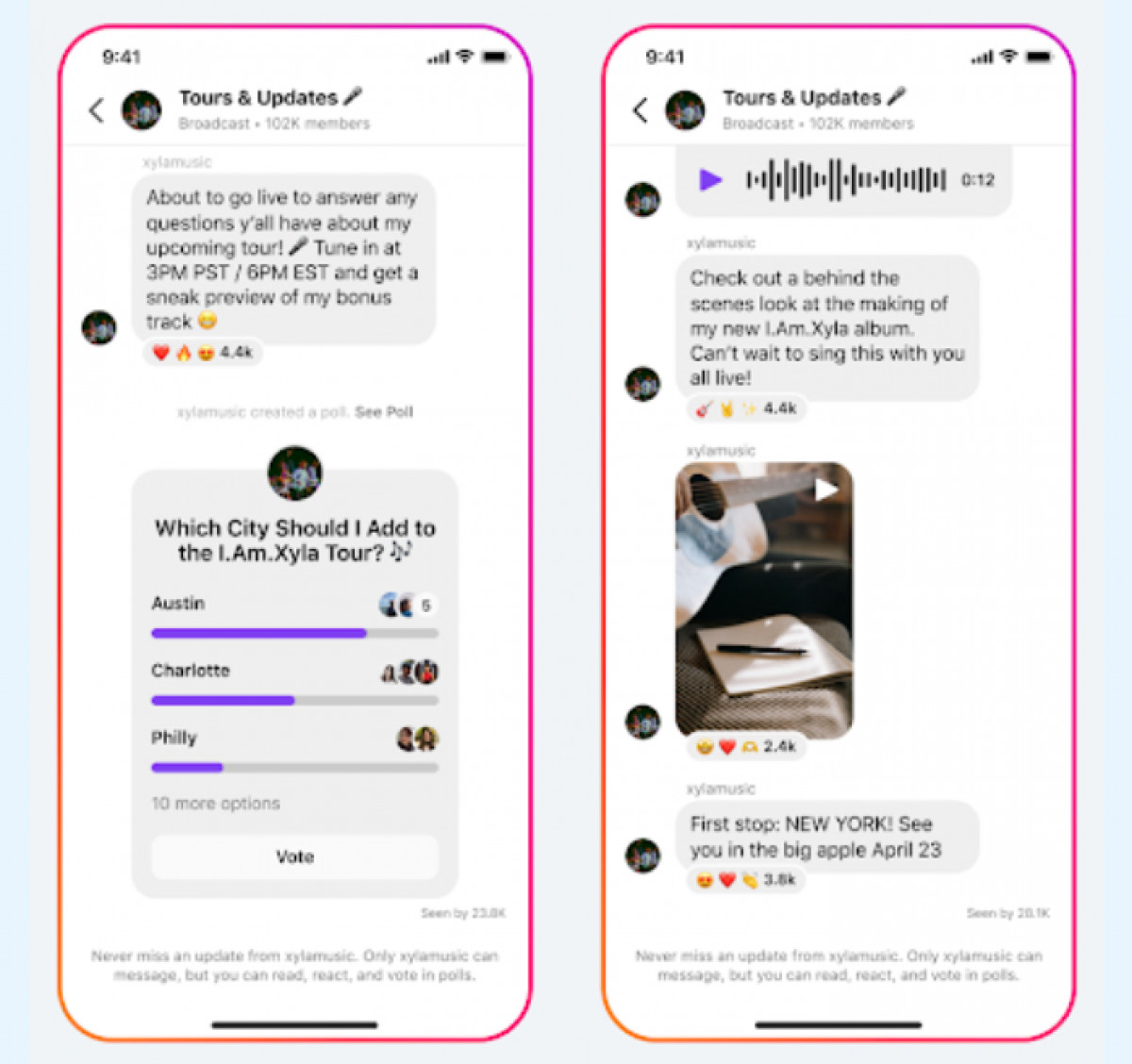
Instagram provides several communication tools, but introducing every feature immediately can spread a small audience across too many inactive spaces. Select features according to the community's maturity and communication needs.
1. Stories and interactive stickers
Polls, question stickers, quizzes, and sliders provide relatively low-effort participation opportunities. Members can express preferences or submit questions without writing lengthy public comments. Share selected responses and explain how the feedback will influence upcoming content.
2. Direct messages and Close Friends
Direct messages support more personal conversations, detailed feedback, and collaboration discussions. Close Friends can provide a selected group with additional resources or behind-the-scenes activities. Avoid unsolicited messages and obtain permission before sharing private conversations publicly.
3. Broadcast channels
Broadcast channels provide a dedicated space for regular updates, announcements, and ongoing communication. Instagram also supports prompts, replies, and channel insights, allowing eligible creators to develop more interactive experiences.
Introduce a channel when members have an established reason to receive regular updates. Creating one before developing an interested audience can result in an additional space with limited participation.
4. Instagram Live
Live sessions are useful for demonstrations, real-time discussions, interviews, and community feedback. However, Instagram currently requires a public account with at least 1,000 followers to start a Live broadcast. New accounts should initially concentrate on accessible alternatives such as question stickers and recorded discussions.
Establish Community Routines
Recurring activities give members a reason to return beyond discovering individual publications in their feeds. They also reduce the pressure on creators to continually invent new engagement ideas.
A community routine should have a recognizable format, a consistent purpose, and an accessible way to participate.
For a mobile photography community, a weekly schedule could include:
| Day | Community activity | Participation opportunity |
| Monday | Weekly photography challenge | Members receive a new creative assignment. |
| Wednesday | Editing question session | Participants submit technical questions. |
| Friday | Member photo showcase | Selected contributions receive recognition. |
| Sunday | Challenge reflection | Members discuss results and lessons learned. |
Start with one or two recurring activities before expanding the schedule. A weekly challenge that attracts consistent participation is more valuable than several activities that receive little attention.
Give recurring activities recognizable names and maintain reasonably consistent publishing times. Organize previous challenges and selected contributions into Story Highlights so newcomers can understand the routine without needing a personal explanation.
Give Members an Active Role
A community becomes overly dependent on its creator when every discussion, recommendation, and contribution originates from the account owner. Developing member-led participation allows people to contribute knowledge and support one another.
Create opportunities for members to influence the community through the following approaches:
● Feature user-generated content: Showcase relevant member contributions with permission and appropriate attribution.
● Invite knowledge sharing: Encourage experienced members to explain techniques, share resources, or answer questions from beginners.
● Involve members in decisions: Let participants suggest challenge topics, educational subjects, or future collaborative activities.
● Recognize different contributions: Highlight helpful feedback, creative progress, and useful discussions rather than rewarding only highly polished submissions.
● Encourage peer interaction: Create discussions where members exchange experiences instead of directing every response towards the creator.
Recognition should remain inclusive. Repeatedly featuring the same prominent members can make newcomers feel that participation requires an existing relationship with the account.
Establish clear expectations concerning respectful communication, promotional content, unsolicited messages, and harassment. Use Instagram's comment filtering, restriction, and blocking controls when necessary. Constructive disagreement should remain welcome, while personal attacks and disruptive behaviour require appropriate moderation.
Track Community Development
Follower growth measures the size of an audience, but it does not establish whether relationships within that audience are developing. Community assessment should examine how people participate, whether they return, and what they contribute over time.
Instagram Insights provides useful information about content reach, interactions, and available audience activity. However, several important community indicators require manual observation.
Pay particular attention to:
● Returning participants: People who regularly comment, answer Story questions, or participate in recurring activities.
● Conversation quality: Discussions involving personal experiences, useful feedback, and relevant follow-up questions.
● Member-to-member interactions: Followers independently answering questions or supporting other participants.
● Voluntary contributions: Members submitting content, suggesting topics, or recommending the community without being prompted.
● Newcomer participation: First-time contributors becoming involved in ongoing discussions and activities.
Maintain a short monthly community report documenting successful discussion topics, recurring participants, member suggestions, and activities receiving limited responses.
Declining participation does not always indicate declining interest. Repetitive questions, inconvenient activity schedules, complicated participation requirements, or excessive promotional content can discourage otherwise interested members.
Review these factors before increasing publishing frequency or introducing additional activities.
Follow a 30-Day Roadmap
The first month should establish a functioning community foundation rather than pursue an arbitrary follower target. Divide the process into manageable stages with specific activities and observable outcomes.
| Timeline | Focus | Key actions | Milestone |
| Week 1 | Establish the foundation | Define the purpose, optimize the profile, and publish introductory content. | A clear community identity. |
| Week 2 | Attract and interact | Join niche discussions, publish searchable content, and use interactive Stories. | Initial conversations and interested members. |
| Week 3 | Develop participation | Launch recurring activities, collect feedback, and feature member contributions. | Active and returning participants. |
| Week 4 | Review and strengthen | Assess participation, refine activities, and plan next month's content. | An improved community strategy. |
Avoid buying followers, joining engagement pods, automating generic comments, or relying on follow-for-follow tactics. These practices inflate visible activity without establishing shared interests or meaningful relationships.
The roadmap provides a practical starting structure, not a guaranteed timeline. Community development depends on audience availability, niche relevance, content quality, and the time invested in communication.
The Conclusion
Building an Instagram community from scratch requires a defined purpose, deliberate audience discovery, accessible participation opportunities, and consistent relationship management.
The strongest communities develop when members influence content, share experiences, support one another, and return because their involvement has value. Instead of treating follower acquisition as the final objective, focus on creating an environment where people have a genuine reason to stay connected. An active community is ultimately measured by what its members contribute, not simply how many people follow the account.