

Table of Content
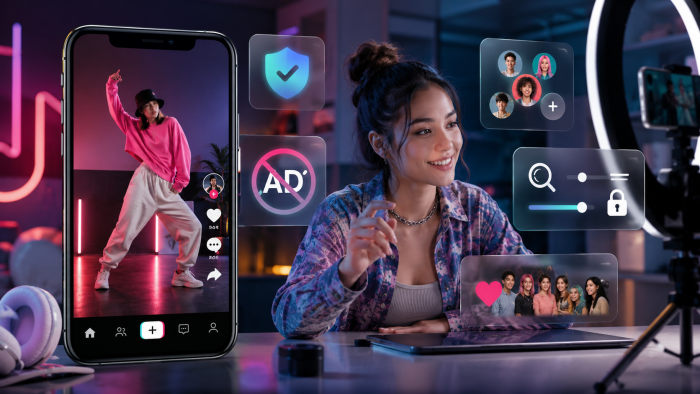
TikTok is rolling out a fresh set of updates that show how quickly the platform is changing beyond short-form entertainment. The latest moves include a paid ad-free subscription in the UK, a standalone World Cup fan app in the United States, and new keyword controls that give creators more influence over how their videos appear in TikTok search.
Together, the updates point to three priorities for TikTok in 2026: privacy-driven monetization, sports and event-based engagement, and a stronger push into social search.
TikTok Ad-Free Reaches UK Users
TikTok’s paid ad-free plan is now appearing more widely to UK users aged 18 and over. The subscription, called TikTok Ad-Free, costs £3.99 per month and removes ads delivered by TikTok across the app, including the For You feed.
The plan was first announced in May, but it began gaining more attention in July as eligible users started seeing in-app notifications about the option. Sign-up is handled inside the app’s content preference settings, and users can cancel at any time.
The plan does not remove every form of promotion. Sponsored creator posts, influencer ads, and branded content marked as advertising can still appear because they are part of the creator ecosystem rather than TikTok’s own ad inventory. That distinction matters for both users and brands. A paid subscriber may avoid TikTok’s direct ad placements, but still see creators promoting products inside normal content.
TikTok says the core app experience remains the same whether a user pays or not. The same creators, videos, tools, and recommendations remain available.
The bigger change is what happens to free users. Under the new setup, people who do not subscribe will continue seeing personalized ads by default, with controls over how personalized those ads are. But the previous ability to avoid personalized ads entirely while remaining on the free version is being reduced under the new model.
This reflects a broader shift in social media. Platforms are being pushed by privacy rules to give users clearer choices around data-driven advertising. The emerging trade-off is simple: use the app for free with personalized ads, or pay for a more private ad-free experience.
A Separate World Cup Fan App
TikTok is also expanding into live-event engagement with TikTok Pro Events, a standalone app built around the 2026 FIFA World Cup. The app launched in the United States and is designed as a fan hub rather than a normal TikTok clone.
Users can explore trending World Cup videos, follow curated creator feeds, engage with fan content, and take part in activities tied to the tournament. Adults can earn in-app rewards called Stars by completing actions such as searching event hashtags, visiting the World Cup hub, and sharing content.
Those Stars can be used for World Cup merchandise, TikTok Shop rewards, or charitable donation options funded through the app’s partner program.
The app shows TikTok’s interest in turning major events into dedicated ecosystems. Instead of keeping all sports-related activity inside the main app, TikTok is testing whether a separate app can deepen fan loyalty, increase shopping activity, and open new sponsorship opportunities.
The risk is that a separate app can split attention. Many users may prefer to stay inside the main TikTok app, where they already follow creators and trends. But the reward system gives TikTok a way to make event participation feel more active and measurable.
Creator Keyword Controls Change TikTok SEO
The third major update may be the most important for creators. TikTok has started giving creators more control over the search keywords attached to their videos.
Previously, TikTok automatically assigned search keywords based on the video’s content, captions, audio, and other signals. Creators could benefit from appearing in search, but they had little control over which terms were linked to a post.
The new controls let creators suggest keywords they want to rank for and block irrelevant terms that TikTok has assigned automatically. TikTok still keeps oversight to prevent spam, but creators now have a clearer role in shaping search visibility.
This is a major signal that TikTok SEO is becoming more deliberate. TikTok is no longer only a feed-based entertainment app. Many users now treat it like a search engine for product ideas, local places, tutorials, recommendations, reviews, and trend discovery.
For creators, that means captions, on-screen text, and spoken words matter more than before. The first few seconds of a video are especially important because TikTok can use that information to understand what the post is about.
The new keyword tools also come with risks. Creators who block useful broad terms may reduce their own reach. Others may try to force high-volume keywords onto unrelated videos, which can hurt watch behavior if viewers leave quickly. Metadata can improve discoverability, but it cannot rescue weak content.
What It Means for Creators and Brands
These updates show TikTok moving in several directions at once. It is building paid privacy options, testing event-specific apps, and giving creators more control over search discovery.
For brands, the ad-free plan makes influencer and creator partnerships even more important because sponsored creator content can still reach paying users. For creators, keyword controls make search optimization a core skill. For sports and entertainment marketers, TikTok Pro Events shows how the platform may build separate fan experiences around major cultural moments.
TikTok’s 2026 strategy is becoming clearer. It wants to be an entertainment platform, a search engine, a shopping channel, and an event hub at the same time. Creators who understand all four layers will be better positioned than those still treating TikTok as only a short-video feed.