

Table of Content
X is moving deeper into AI moderation while also encouraging users to create more content with AI, creating a visible tension in the platform’s strategy.
The company has been working on new measures to limit AI-powered spam, bot accounts, copied posts, and engagement manipulation. At the same time, X is placing Grok more prominently across the app, including inside the post composer, where users can tap the “G” icon to get AI help with what to write.
That creates a complicated message. X wants to stop low-quality AI-generated activity from flooding the platform, but it also wants users to rely on its own AI assistant to create posts, replies, and ideas faster.
The distinction appears to be scale and intent. X is not treating every AI-assisted post as a problem. The company is targeting automated bot networks, mass-generated spam, stolen content, and accounts that use artificial engagement tactics to earn visibility or revenue.
Fighting AI Bots and Spam
X’s leadership has warned that AI-generated bot profiles are becoming one of the biggest threats to social platforms. As generative AI becomes cheaper and easier to use, bad actors can create large volumes of realistic posts, replies, images, profiles, and comments.
To respond, X has been developing user-applied tags for AI-generated content and stronger anti-bot detection systems. The goal is to make it clearer when content is AI-made while removing accounts that use automation to pollute conversations or manipulate trends.
The challenge is that AI content is not always harmful. A user asking Grok to improve a post is different from a bot farm generating thousands of replies to influence discussion. X is now trying to draw that line without discouraging legitimate use of its own AI tools.
Grok Becomes a Moderation Tool
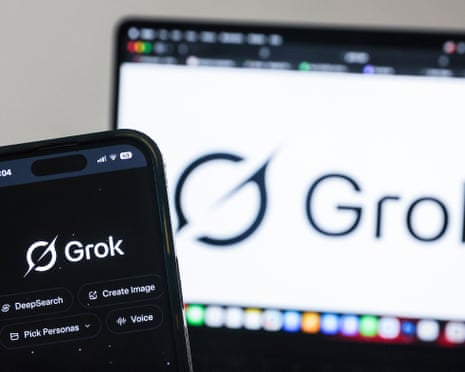
The newest development is X’s use of Grok to detect plagiarism and unoriginal content more aggressively. The platform is using the model to identify copied text, reposted viral clips, and uncredited footage at higher speed.
According to the company’s current direction, Grok can now detect duplicate or repurposed material even when users try to disguise it with small changes, such as watermarks, edits, new intros, or altered formatting. That matters because copied videos and stolen posts have long been a problem on X, especially when large accounts reupload content from smaller creators and profit from the impressions.
Instead of only deleting stolen posts, X is also changing how money flows. When the system identifies monetized impressions tied to copied content, earnings can be redirected to the original creator. Early figures shared around the rollout suggest that the system has already flagged around 1.5 million plagiarized posts and sent more than $1 million in creator payouts back to rightful owners.
Engagement Bait Faces Penalties
X is also taking aim at artificial engagement loops. These include “follow-for-follow” chains, reply groups, and low-effort interaction schemes designed mainly to inflate metrics.
Accounts repeatedly caught using these tactics may lose access to the revenue-sharing program. If the behavior continues, they could face deeper review or permanent suspension.
That enforcement is important because creator monetization can create bad incentives. If revenue depends heavily on impressions and replies, some users will try to game the system instead of producing original content. X is trying to make the reward structure favor real posts, real discussion, and original work.
Native Creator Tools Expand
To reduce the appeal of reposting other people’s work, X is also building more native creation tools. Recent updates include in-app recording and editing features designed to help creators make original videos directly inside the platform.
This fits into a broader push to make X more creator-friendly. The platform wants more original video, livestreams, commentary, and high-quality posts because those formats drive time spent and monetization. But it also needs to stop low-effort aggregators from turning stolen content into revenue.
That is where Grok gives X a platform advantage. Because the model is integrated with live activity on X, it can analyze current posts, trends, and reused content in ways that outside systems may struggle to match.
The Bigger Tension
The strategy still carries risk. Grok is both the tool helping users create more AI-assisted content and the system being used to police AI misuse. That puts X in the same position as other major platforms: it wants the productivity and engagement benefits of generative AI without letting AI flood the platform with spam, fake interaction, and low-quality automation.
There is also a reputational issue. Grok has faced criticism over permissive image-generation behavior and controversial outputs, which has kept the debate around responsible AI moderation alive.
For creators, the practical message is clear. AI help is acceptable, but originality matters more than ever. Accounts that use Grok to sharpen ideas, improve posts, or support real creative work may benefit. Accounts that copy videos, repost stolen material, spam replies, or build artificial engagement loops are more likely to be penalized.
X is trying to build an AI-powered creator platform without letting AI ruin the conversation. Whether it can manage both at once will define the next phase of the platform.