

Table of Content
YouTube is changing how it counts public views, and the update could make creator numbers rise faster without directly increasing earnings.
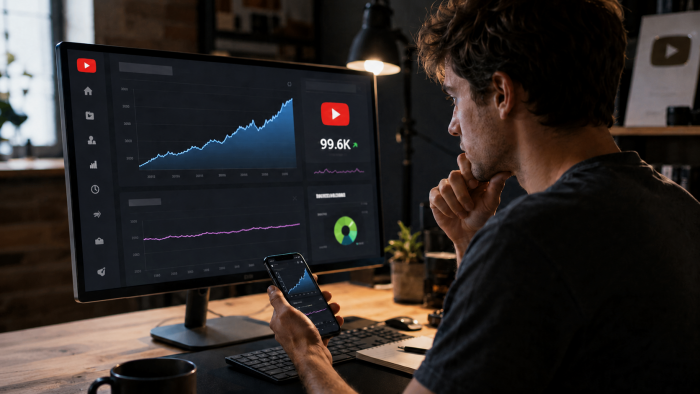
Starting August 24, 2026, YouTube will count a public view the moment a video begins to play, from the very first frame. The new rule applies globally across all major formats, including long-form videos, Shorts and Live streams.
The company announced the change on August 17, framing it as a way to reduce confusion across formats and give creators a clearer sense of their total exposure. Until now, YouTube used different counting systems depending on the format. Shorts already counted views much earlier in the playback experience, while long-form and live videos were generally understood to require a longer viewing period before a view appeared publicly.
The change is not retroactive. Existing videos will keep their current public view totals, but any new views they receive after August 24 will be counted under the new first-frame system. New uploads from that date onward will use the updated method immediately.
Public Views Will Rise Faster
The most obvious effect is that view counts are likely to grow more quickly.
If a viewer taps a video, lets it play briefly and leaves almost immediately, that action can now count as a public view. This gives creators a broader measure of exposure, but it also makes the public view count less useful as a direct signal of attention.
A one-second bounce and a meaningful watch will now both add to the visible count. That may make videos look more successful on the surface, especially during the first few days after upload, but it does not necessarily mean viewers are staying longer or engaging more deeply.
For creators, this means August and September analytics may become harder to compare with earlier months. A jump in public views after August 24 may reflect the counting change rather than a real improvement in audience demand.
Engagement Still Drives Pay
YouTube says the update will not change creator earnings or YouTube Partner Program eligibility.
The older attention-based metrics are not disappearing. They will remain available inside YouTube Analytics as engaged views, engaged Shorts views and engaged watch hours. These are the numbers that continue to matter for monetization, watch-time analysis and understanding whether viewers actually stayed.
That creates a split between two kinds of metrics. Public views will now function more like a reach number, showing that a video started playing. Engaged views will show whether the viewer continued watching long enough to signal real interest.
For creators trying to grow revenue, the engaged metric remains more important than the public headline number.
The Two-Clocks Problem
The timing of the change matters because YouTube also recently confirmed tougher monetization requirements that take effect on February 1, 2027.
Under the updated rules, creators seeking full YouTube Partner Program access will need 1,000 subscribers plus either 8,000 qualified public watch hours in the past 365 days or 20 million qualified Shorts views in the past 90 days. That replaces the lower thresholds many creators have been working toward.
This creates a two-clock situation. Public view counts begin rising under the new first-frame rule on August 24, but the monetization bar rises in February 2027.
For creators who are not yet in the Partner Program, the practical takeaway is clear: the next few months matter. Bigger public numbers may look encouraging, but qualification still depends on engaged watch time and qualified Shorts views.

Brand Deals May Get More Complicated
The change could also affect sponsorship discussions.
YouTube says the new system helps creators show their value to brand partners by reflecting total exposure. But advertisers may become more cautious about accepting public view counts at face value.
A higher public view count does not prove that viewers watched the ad integration, heard the sponsor mention or stayed long enough to understand the product. Because of that, brands may start asking creators for Advanced Mode screenshots showing engaged views, average view duration, retention and watch time.
That could create a new standard for media kits. Instead of saying “this video got 500,000 views,” creators may need to separate public views from engaged views and explain what each number means.
Creators who are transparent will have an advantage. Creators who rely only on inflated public counts may find that informed sponsors discount those numbers.
RPM Could Look Lower
One overlooked consequence is the effect on RPM reporting.
If public view counts rise but revenue stays roughly the same, revenue per thousand views may appear to drop. That does not necessarily mean YouTube is paying less. It may simply mean the denominator has grown because more brief starts now count as views.
Creators should watch this carefully after August 24. A sudden RPM decline may be partly mathematical, not a sign that the channel is earning worse per real viewer.
What Creators Should Do Now
Creators should track both public views and engaged views from the start of the rollout. They should avoid comparing post-August 24 public views directly with July numbers without context.
For sponsorships, creators should prepare cleaner reporting that includes engaged views, watch time, retention and audience quality. For content strategy, they should keep focusing on strong hooks, but not mistake first-frame starts for real attention.
YouTube’s update may make videos look bigger in public. But for creators, the real business still depends on the harder metric: who stayed, watched and cared.