

Table of Content
- 1. Early Literacy Books (Ages 0–5)
- 2. Phonics and Early Reader Books (Ages 4–7)
- 3. STEM-Focused Books (Ages 5–10)
- 4. Emotional Intelligence and Social Skills Books
- 5. Confidence-Building Stories
- 6. Vocabulary Expansion and Advanced Readers (Ages 7–10+)
- 7. Interactive and Personalized Educational Books
- 8. Non-Fiction and Informational Books
- How to Choose the Right Educational Book
- Creating a Home Learning Routine With Books
- Final Thoughts
Supporting your child’s learning at home doesn’t require expensive programs or complicated schedules. Sometimes, the most powerful learning tool is already within reach - a great book.
The right books for kids can strengthen reading skills, build confidence, develop emotional intelligence, and encourage curiosity. Whether you’re supplementing school learning or simply creating a strong reading routine, choosing the right children’s books makes all the difference.
Here’s a guide to the types of educational books that truly support learning at home—and how you can choose the best ones for your child.
1. Early Literacy Books (Ages 0–5)
During the early years, language development is the foundation of learning. The best baby books and early picture books introduce children to:
- Letter recognition
- Basic vocabulary
- Sounds and phonics
- Rhythm and repetition
Look for books with:
- Clear illustrations
- Simple, repetitive text
- Large fonts
- Predictable sentence patterns
These types of children's books help your child connect spoken words to visual cues, strengthening early reading readiness.
Even before your child can read independently, consistent exposure to age-appropriate kids books builds familiarity with language patterns.
2. Phonics and Early Reader Books (Ages 4–7)
As your child begins recognizing letters and forming words, phonics-based books become essential.
Educational books for kids at this stage should:
- Focus on simple sentence structures
- Reinforce sight words
- Introduce short vowel sounds
- Encourage independent reading attempts
Many early reader children’s books use repetition intentionally to build fluency. While they may seem simple, repetition helps children gain confidence and reading speed.
Choosing books that match your child’s reading level prevents frustration and keeps learning positive.
3. STEM-Focused Books (Ages 5–10)
Educational reading isn’t limited to language skills. Books that introduce science, technology, engineering, and math concepts can spark curiosity early.
Look for:
- Beginner science explanations
- Simple experiments in picture books format
- Math-themed storytelling
- Nature exploration books
Many modern children's books present STEM topics in a story-driven format, making complex ideas accessible and engaging.
These books support learning at home by encouraging problem-solving and critical thinking—skills that extend far beyond the page.
4. Emotional Intelligence and Social Skills Books
Education is not just academic. Emotional development plays a crucial role in long-term success.
The best children’s books for emotional growth:
- Teach empathy
- Explore different feelings
- Address common childhood challenges
- Model positive behaviour
Stories about sharing, resilience, friendship, and kindness can guide important conversations at home.
Unlike textbooks, narrative-driven kids books allow children to see emotions played out through characters, making lessons easier to understand and apply.
5. Confidence-Building Stories
Confidence directly impacts learning. Children who believe they can succeed are more likely to take on new challenges.
Books that portray characters overcoming obstacles or discovering their strengths help reinforce positive self-belief.
Many educational books for kids now intentionally include themes of:
- Self-acceptance
- Courage
- Growth mindset
When paired with discussion, these stories can significantly strengthen your child’s emotional resilience.
6. Vocabulary Expansion and Advanced Readers (Ages 7–10+)
As your child becomes a more fluent reader, introduce children's books that expand vocabulary and deepen comprehension.
Look for:
- Rich descriptive language
- Chapter books with layered plots
- Stories that require inference and prediction
Encourage your child to:
- Ask questions about the story
- Predict outcomes
- Explain character motivations
These activities strengthen comprehension and critical thinking—key academic skills.
7. Interactive and Personalized Educational Books
Some families also explore personalized books to increase engagement. Personalized kids books can support learning by:
- Reinforcing name recognition
- Encouraging participation
- Increasing attention span
When children see themselves within the story, engagement often improves. While personalized books shouldn’t replace traditional children’s books, they can complement them effectively.
Brands like Wondeme combine storytelling with personalization, helping make reading more engaging while still supporting educational goals.
8. Non-Fiction and Informational Books
As children grow curious about the world, non-fiction picture books and informational texts become valuable tools.
Look for books that explore:
- Animals and ecosystems
- Space and planets
- History and cultures
- Real-life inventions
Educational non-fiction encourages curiosity and supports school learning while nurturing independent interests.
How to Choose the Right Educational Book
When selecting educational books for kids, consider:
- Age and reading level
- Your child’s interests
- Emotional maturity
- Attention span
Avoid choosing books solely based on popularity. The best children’s books for your child are the ones they’ll actually want to read repeatedly.
Engagement is just as important as academic value.
Creating a Home Learning Routine With Books
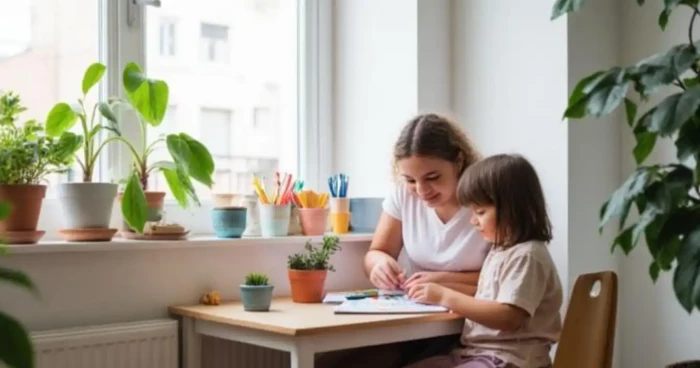
To maximize the benefits of educational books:
- Set aside daily reading time
- Ask open-ended questions
- Encourage your child to retell stories
- Rotate genres to maintain interest
Consistency matters more than quantity. Even 15–20 minutes of daily reading can significantly strengthen academic skills over time.
Final Thoughts
Educational books are one of the simplest and most effective tools you can use to support learning at home.
From early baby books to advanced children books, each stage offers opportunities to build:
- Language skills
- Confidence
- Emotional intelligence
- Critical thinking
The right kids books don’t just entertain - they teach, inspire, and empower.
When you choose thoughtfully and read consistently, you’re not just helping your child learn. You’re helping them build a lifelong love of reading.