


Table of Content
Customer Acquisition and Paid Ads Optimization
Paid acquisition is where most growth budgets are burned inefficiently. The problem is not targeting anymore. It is creative fatigue and iteration speed. AI tools in this category compete on how quickly they can generate, test, and optimize ad creatives that actually improve click-through rate and conversion.
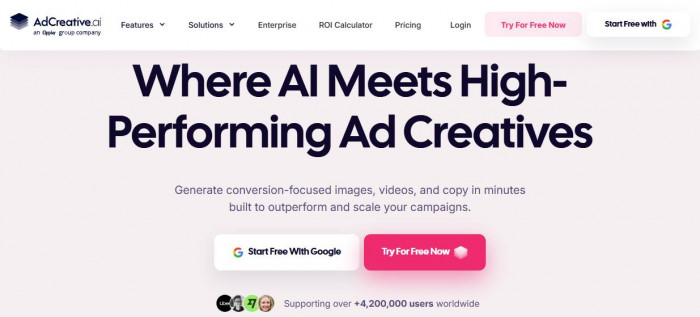
AdCreative.ai positions itself as a performance-first creative generator. Its pricing typically starts around $39 to $59 per month depending on plan structure. The key advantage is volume with structure. It generates ad creatives tied to performance frameworks rather than random variations. The platform claims improved conversion rates based on trained datasets, and G2 ratings generally sit around 4.5, reflecting strong adoption among performance marketers.
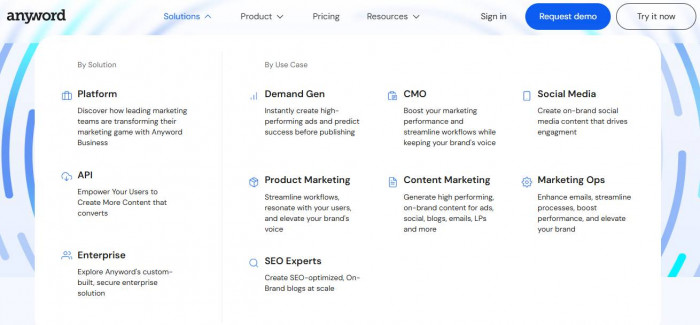
Anyword operates differently. It is less about generating volume and more about predicting performance. Pricing starts around $39 per month for Starter and moves into higher tiers for predictive analytics. The core value is its scoring system, which estimates how a piece of copy will perform before you run it. This reduces wasted ad spend during testing phases. With a G2 rating around 4.8, it consistently ranks among the highest-rated tools in this category.
Pencil focuses heavily on video and social ad creative. It is built around generating variations of video ads quickly, which matters as platforms like Meta and TikTok increasingly reward creative diversity. Pricing is typically custom or enterprise-leaning, and the tool is used by brands running high-volume ad campaigns.

Acquisition Comparison
| Tool | Starting Price | Key Strength | G2 Rating | Best Channel |
| AdCreative.ai | ~$39/month | High-volume performance creatives | ~4.5 | Meta, Google Ads |
| Anyword | $39/month | Predictive performance scoring | ~4.8 | Search, Meta |
| Pencil | Custom | Video ad generation at scale | ~4.6 | TikTok, Meta |
Insight:
Anyword improves efficiency by reducing wasted experiments. AdCreative.ai improves efficiency by increasing testing volume. Pencil improves efficiency when video is the bottleneck. The highest ROI usually comes from combining prediction with volume, not choosing one.
SEO and Organic Growth
Organic growth is slower, but it compounds. The difference between tools here is not who generates content faster. It is who helps content rank faster and stay ranked.
Surfer SEO is built around SERP-driven optimization. Pricing starts around $69 per month. It analyzes top-ranking pages and builds content recommendations based on real ranking data. The strength is alignment with what Google already rewards, not theoretical SEO advice.

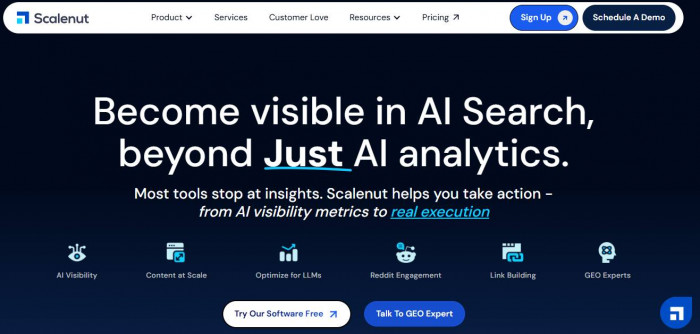
Scalenut approaches SEO as a workflow problem. It combines keyword clustering, content generation, and optimization in a single pipeline. Pricing starts around $59 per month. It is particularly effective for teams producing content at scale because it reduces fragmentation between planning and execution.
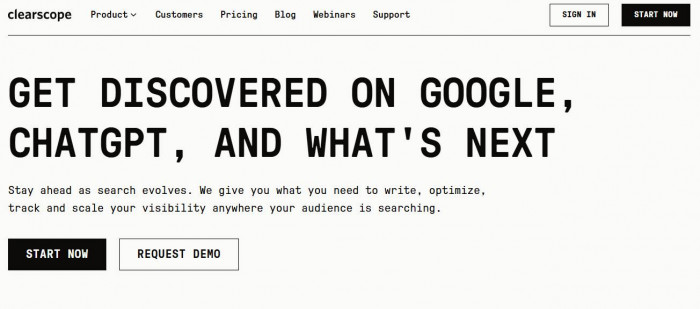
Clearscope sits at the premium end, often starting around $170 per month. It focuses on content grading and semantic relevance. Instead of generating content, it improves what already exists. That distinction matters. Clearscope is used more by editorial teams than growth hackers.
What separates these tools is how they use SERP data. Surfer is faster for execution. Scalenut is better for scaling output. Clearscope is strongest for refinement and quality control.
Which ranks faster and why:
Surfer SEO typically produces faster ranking improvements because it tightly mirrors existing SERP structures. Scalenut catches up over time through volume and consistency. Clearscope improves ranking durability rather than initial speed.
Conversion Rate Optimization and Personalization
Traffic without conversion is wasted spend. CRO tools have evolved from simple A/B testing platforms into personalization engines.
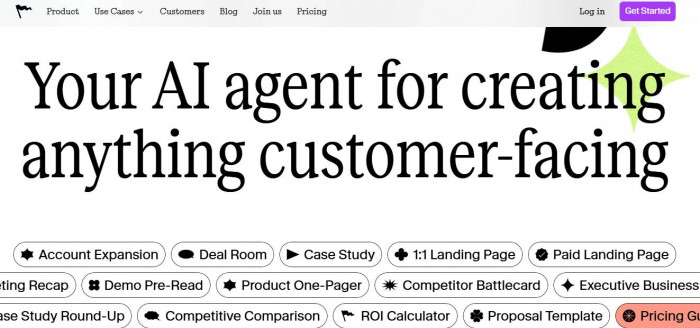
Mutiny is built specifically for B2B personalization. Pricing is enterprise-level, often starting above $1,000 per month. It allows teams to dynamically change website content based on user attributes such as company, industry, or behavior. The impact is not incremental. It can significantly improve conversion rates for high-value traffic.
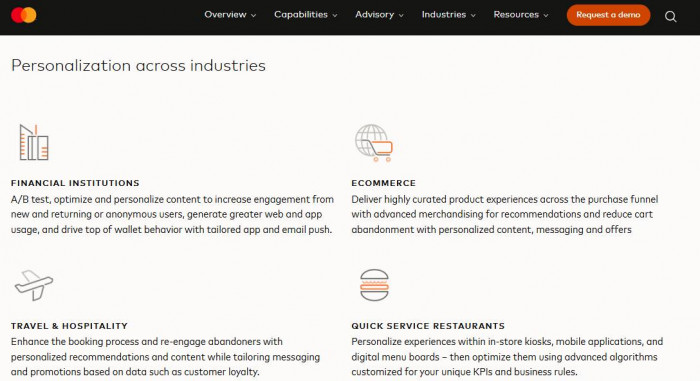
Dynamic Yield operates at a broader enterprise level. It combines personalization across web, mobile, and email channels. Pricing is custom, often in the mid to high enterprise range. It is designed for companies with large user bases and complex segmentation needs.
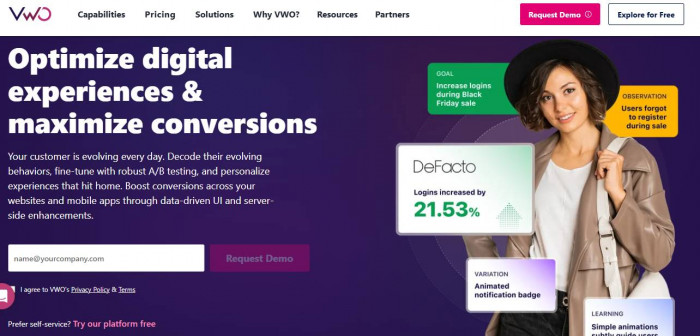
VWO is closer to a traditional CRO tool but has integrated AI-driven experimentation. Pricing starts around $199 per month. It remains one of the most accessible tools for structured testing without requiring enterprise infrastructure.
CRO Comparison
| Tool | Pricing Range | Personalization Level | Enterprise Readiness |
| Mutiny | High (>$1,000/month) | Very High | Strong |
| Dynamic Yield | Enterprise custom | Very High | Very Strong |
| VWO | ~$199/month | Medium | Moderate |
Insight:
Mutiny and Dynamic Yield are not incremental tools. They are infrastructure-level changes. VWO is still useful, but it operates more as an optimization layer rather than a personalization engine.
Email Marketing and Lifecycle Automation
Email remains one of the highest ROI channels, but only when segmentation and automation are executed properly.
Klaviyo dominates in e-commerce. Pricing starts low but scales aggressively with contact volume. Its strength is deep segmentation tied to purchase behavior. It does not just send emails. It predicts when and what to send.
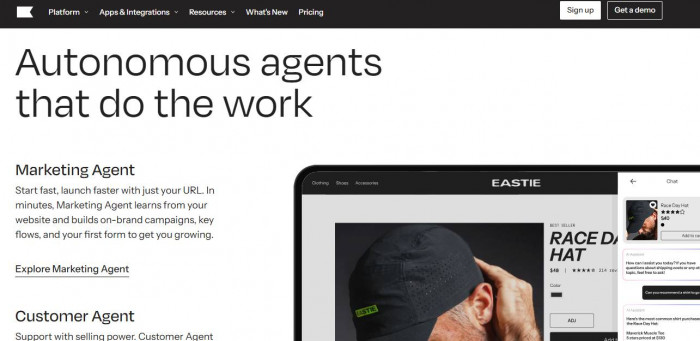
Customer.io is built for event-driven communication. Pricing typically starts around $100 per month. It is used by SaaS companies that rely on behavioral triggers rather than static campaigns. The flexibility is higher than Klaviyo, but it requires more setup.

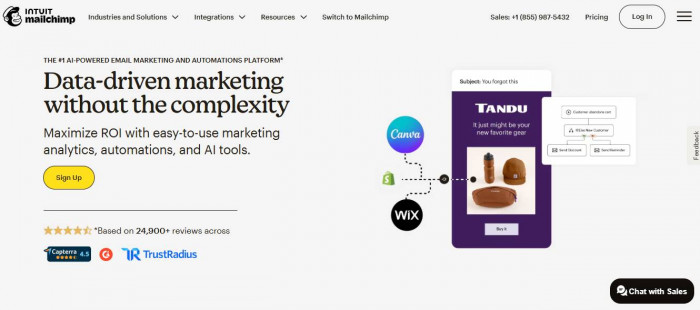
Mailchimp has evolved by adding AI features such as content generation and predictive send-time optimization. Pricing starts around $13 per month. It is still widely used, but its depth is lower compared to specialized tools.
Cost vs value reality:
Klaviyo becomes expensive quickly, but it directly ties into revenue generation. Customer.io offers better flexibility for product-led growth. Mailchimp is cheaper but often leads to lower long-term ROI due to limited segmentation depth.
Analytics and Growth Intelligence
Data tools are not useful because they track behavior. They are useful when they help you act on it.
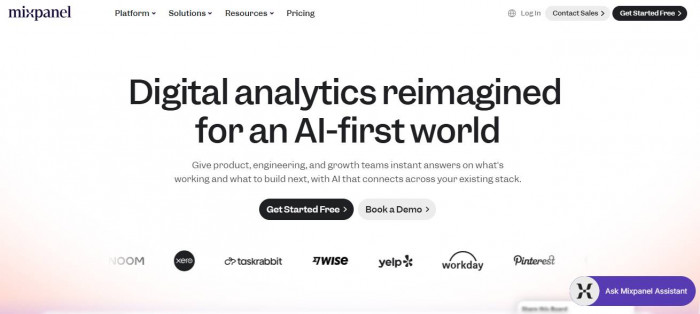
Mixpanel focuses on event-based analytics. Pricing includes a free tier with paid plans scaling based on usage. It is strong at answering “why” users behave a certain way.
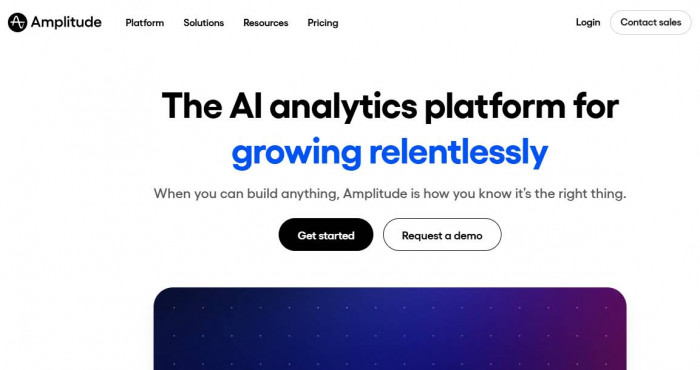
Amplitude is similar but leans more into predictive analytics. It helps identify trends and forecast user behavior. Pricing is also usage-based, with enterprise tiers.
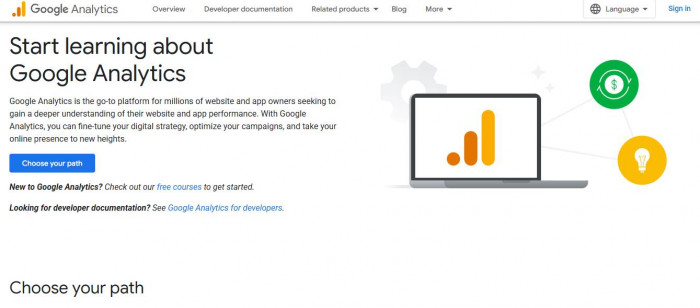
Google Analytics 4 is the default tool for many businesses. It is free, but its AI insights are still limited compared to dedicated platforms. It provides data, but not always decisions.
Core difference:
Mixpanel and Amplitude reduce analysis time. GA4 increases data availability but often increases interpretation effort.
Growth Stack Comparison
| Function | Best Tool | Reason |
| Paid acquisition | Anyword | Predictive performance reduces wasted spend |
| SEO growth | Surfer SEO | Fastest alignment with ranking factors |
| CRO | Mutiny | True personalization, not just testing |
| Email lifecycle | Klaviyo | Direct revenue attribution |
| Analytics | Amplitude | Predictive insights and behavior tracking |
This table reflects how real growth teams operate. They do not pick one tool. They build a stack where each tool solves a specific bottleneck.
Final Verdict
Best tools for early-stage growth:
Anyword, Surfer SEO, and VWO. These tools improve output without requiring heavy infrastructure.
Best for scaling companies:
Mutiny, Klaviyo, and Amplitude. These tools unlock personalization, retention, and predictive growth.
Most overrated tools:
Mailchimp and GA4 in isolation. They are useful, but they do not drive growth without additional layers.
Tools that actually drive revenue vs vanity metrics:
Klaviyo and Anyword directly impact revenue. Mixpanel and Amplitude improve decision-making. Tools that only generate data without action tend to produce vanity metrics.
The core takeaway is simple. Growth marketing is not about tools. It is about removing bottlenecks. The best AI tools are the ones that reduce the time between experiment and outcome. Everything else is secondary.