


Table of Content
- Visual planning and scheduling in everyday use
- Scheduling depth and automation logic
- Analytics that inform decisions rather than decorate dashboards
- Link in bio tools and conversion impact
- AI assistance and hashtag intelligence
- Collaboration and integrations in team environments
- Feature comparison at a glance
- Pricing structure and perceived value
- Choosing between Planoly and Later based on real needs
Visual-first platforms have shaped how creators and brands manage social media for years, but the way those tools are used in 2026 looks very different from when they first appeared. Content calendars are now tightly connected to ecommerce, analytics, automation, and link driven conversions. In that context, Planoly and Later often appear side by side in shortlists, yet they serve slightly different priorities.
Rather than treating them as interchangeable Instagram schedulers, it is more useful to examine how each one supports real content workflows for creators, small businesses, ecommerce brands, and agencies.
Visual planning and scheduling in everyday use
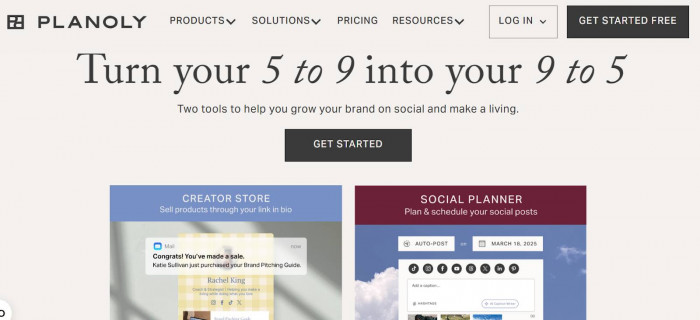
Planoly was built around visual harmony. Its grid based planner mirrors how Instagram profiles are actually consumed, which makes it especially appealing to creators and lifestyle brands that care deeply about aesthetics. Dragging posts into place feels intuitive, and for solo users this often reduces friction and decision fatigue. Planning content becomes less about dates and more about narrative flow.
Later also offers visual planning, but its approach is more operational. The calendar view emphasizes timing, platform differences, and post readiness. For teams managing Instagram, TikTok, Pinterest, and LinkedIn at once, this structure makes it easier to ensure nothing slips through. The visual grid exists, but it is not the emotional center of the experience in the same way it is with Planoly.
In practice, creators often describe Planoly as calming and Later as efficient. Neither is objectively better, but the feeling matters when content creation is a daily task rather than an occasional one.
Scheduling depth and automation logic
Both platforms support auto publishing across major social networks, but the philosophy differs.
Planoly focuses on consistency. You schedule posts, stories, and reels with minimal complexity, which suits influencers and small brands posting predictable content. Automation exists, but it rarely overwhelms the interface. For many users, this simplicity is a strength rather than a limitation.
Later leans into conditional scheduling and queue based workflows. Evergreen queues, best time suggestions, and multi platform publishing reduce manual effort at scale. Agencies and ecommerce teams benefit here because they can reuse frameworks across clients or campaigns without rebuilding schedules from scratch.
Where Later sometimes feels heavier is for users who only manage one or two accounts. The extra controls can feel unnecessary if you are not using them regularly.

Analytics that inform decisions rather than decorate dashboards
Analytics are often where tools separate hobby use from professional workflows.
Planoly provides clear performance metrics focused on engagement, follower growth, and post level results. These insights help creators understand what visual styles or captions resonate, but they are not deeply customizable. For many creators, this is enough. They want answers, not dashboards.
Later goes deeper. Performance tracking extends across platforms, content types, and posting times. Analytics feel designed for iteration and reporting, which aligns with agency needs and ecommerce optimization. Trends from review platforms like G2 and Capterra often highlight Later’s analytics as more robust, while also noting a steeper learning curve.
If data driven experimentation is core to your strategy, Later generally offers more leverage. Analytics that inform decisions rather than decorate dashboards
Link in bio tools and conversion impact
Both tools recognize that social traffic needs somewhere to go.
Planoly’s link in bio experience integrates smoothly with its visual planner. Posts connect naturally to products, blog pages, or affiliate links. For creators monetizing through partnerships or shops, this connection feels cohesive and easy to manage.
Later treats link in bio as a conversion engine. Customization, tracking, and ecommerce integrations make it easier to attribute clicks and sales. Brands running campaigns or launches often benefit from this approach, especially when combined with analytics.
In real use, Planoly feels more creator friendly, while Later feels more revenue focused.
AI assistance and hashtag intelligence
AI capabilities are present in both platforms, but they are applied differently.
Planoly’s AI features lean toward caption suggestions and light content assistance. These tools reduce friction for creators who want help phrasing ideas without surrendering creative control.
Later uses AI more strategically. Caption optimization, hashtag recommendations, and timing insights work together to improve reach. Hashtag tools in Later tend to be more data driven, while Planoly’s feel more inspirational.
Neither platform replaces strategy, but Later’s AI is more aligned with scaling outcomes, whereas Planoly’s supports creative flow.
Collaboration and integrations in team environments
For solo creators, collaboration features may barely matter. For agencies, they are critical.
Planoly supports basic collaboration, approvals, and comments, which works well for small teams or brand creator partnerships. Integrations exist, but the ecosystem is intentionally limited to keep complexity low.
Later integrates with a wider range of platforms and offers clearer role management. Teams can assign tasks, review content, and manage multiple brands without confusion. Agencies often cite this structure as a reason to choose Later despite higher costs.
Feature comparison at a glance
The table below summarizes major functional differences using qualitative strength indicators rather than raw counts.
| Capability | Planoly | Later |
| Visual grid planning | Very strong | Strong |
| Multi platform scheduling | Moderate | Very strong |
| Analytics depth | Moderate | Advanced |
| Link in bio monetization | Strong | Very strong |
| AI and hashtag tools | Light to moderate | Strong |
| Collaboration and approvals | Basic | Advanced |
| Automation workflows | Limited | Extensive |
These differences explain why user sentiment often clusters around creative ease for Planoly and operational power for Later.
Pricing structure and perceived value
Pricing evolves, but general positioning remains consistent.
| Plan type | Planoly typical positioning | Later typical positioning |
| Entry level | Affordable for creators | Affordable but more limited |
| Mid tier | Strong value for small brands | Strong value for growth teams |
| Advanced | Competitive but simpler | Higher cost, higher capability |
Users reviewing both platforms often note that Later feels more expensive, but also more justifiable as needs grow. Planoly feels easier to justify early, even if some users outgrow it.
Planoly is widely viewed as easier to learn, while Later rewards time invested with greater control.
Choosing between Planoly and Later based on real needs
If your workflow centers on visual storytelling, consistent posting, and monetizing a personal or lifestyle brand, Planoly often feels like a natural extension of your creative process. It reduces friction, keeps planning intuitive, and avoids overwhelming you with options you may not need yet.
If your goals involve scaling content across platforms, coordinating teams, measuring performance rigorously, and tying social activity to revenue outcomes, Later tends to fit better. Its complexity supports growth, even if it requires more upfront learning.
The decision is less about which tool is better and more about which one aligns with how you work today and where you expect your content strategy to go next.