

Table of Content
- Why TikTok users judge accounts so quickly
- What makes a TikTok PFP actually work
- Face visibility versus mystery aesthetics
- Color contrast and recognizability in circular icons
- Emotional signaling
- Brand consistency for creators versus casual users
- Visual elements and psychological impact
- PFP trends that are actually dominating TikTok right now
- AI-generated portraits
- Minimalist icons
- Meme-based identities
- Anime and avatar culture
- Faceless branding
- Low contrast images in dark mode
- Random images that break niche identity
- Copyright and impersonation risks
- A system to choose the right PFP for TikTok
- Structured checklist
- Final thoughts
The fastest judgment on TikTok is not made on your video.
It is made on your profile picture.
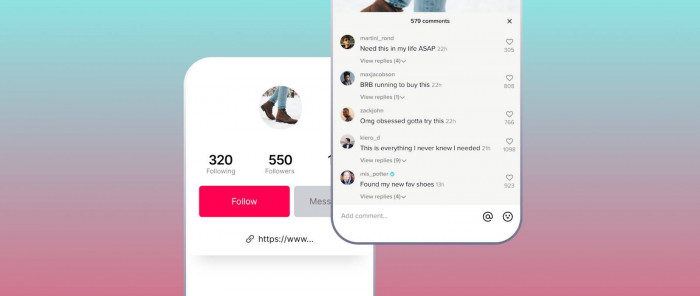
Before someone watches your second clip, before they read your bio, and before they decide whether your content is worth their time, their eyes land on a tiny circular image. That moment often lasts less than a second. Yet it determines whether the thumb pauses, whether the profile is tapped, and whether “follow” feels safe.
This is why PFP for TikTok has become a serious topic among creators, brands, and niche pages. Not because profile pictures are aesthetic toys, but because they quietly shape credibility in an environment built on speed.
TikTok is not a platform where people slowly evaluate accounts. It is a platform where they filter. And the PFP is the first filter.
Why TikTok users judge accounts so quickly
TikTok’s interface trains users to move fast. The For You page is designed for rapid consumption, not contemplation. When a video ends, another appears instantly. When a comment is read, another replaces it. When curiosity sparks, it has to be satisfied immediately or it disappears.
In that environment, users rely on shortcuts.
The profile picture becomes one of those shortcuts. It answers silent questions:
1. Is this a real person or a throwaway account?
2. Does this creator look confident or uncertain?
3. Is this page serious, funny, anonymous, or spammy?
4. Do I understand what kind of content this account represents?
None of these questions are consciously asked. They are inferred in milliseconds.
This is why two creators with similar content quality can see very different follow rates. One has a PFP that communicates clarity. The other sends mixed signals.
What makes a TikTok PFP actually work
A TikTok PFP works when it is readable, recognizable, and emotionally legible at a very small size. That may sound simple, but most profile pictures fail at least one of these.
Face visibility versus mystery aesthetics
Faces trigger trust. This is not a social media opinion, it is rooted in human perception. Studies in interface design and marketing consistently show that clear human faces increase perceived authenticity and approachability.
On TikTok, face-based PFPs tend to work best for:
- Personal brands
- Educators
- Lifestyle and commentary creators
- Coaches and consultants
That does not mean mystery profiles fail. Faceless or symbolic PFPs work when mystery is part of the brand itself, such as meme pages, niche fact accounts, or AI-focused content. The key difference is intent. Mystery works when it feels deliberate, not accidental.
Color contrast and recognizability in circular icons
TikTok profile pictures are small. Smaller than most creators realize.
This means color contrast matters more than detail. A beautiful image with subtle tones can disappear completely when shrunk into a circle on a dark interface.
High-performing PFPs usually share these traits:
- Strong contrast between subject and background
- One clear focal point
- Minimal visual noise
Low contrast images do not look bad. They simply become invisible.
Emotional signaling
Every PFP signals something emotionally, even when the creator did not intend it.
Common signals include:
- Confidence: direct gaze, upright posture, calm expression
- Humor: exaggerated expression, playful illustration, meme cues
- Authority: neutral expression, clean framing, professional lighting
- Relatability: natural lighting, slight imperfections, casual framing
A mismatch between emotional signal and content creates friction. For example, serious educational content paired with a chaotic meme PFP confuses viewers, even if the content itself is strong.
Brand consistency for creators versus casual users
Casual users can change PFPs freely with little consequence. Creators cannot.
Once an account gains traction, the PFP becomes part of recognition. Changing it too often resets visual memory. Keeping it consistent reinforces identity.
This is why larger creators rarely change profile pictures during growth phases. Consistency builds familiarity, and familiarity builds trust.
Visual elements and psychological impact
| Visual element | Psychological impact |
| Clear face | Trust, authenticity |
| Direct eye contact | Confidence, openness |
| High contrast colors | Visibility, memorability |
| Minimal background | Focus, clarity |
| Illustrated avatar | Anonymity, creativity |
| Logo or icon | Professional distance |
| Dark, muted tones | Seriousness or mystery |
| Bright, saturated tones | Energy, approachability |
PFP trends that are actually dominating TikTok right now
Not all trends matter. Many lists repeat random aesthetics without explaining why they spread. The trends below dominate because they fit TikTok’s behavioral patterns.
AI-generated portraits
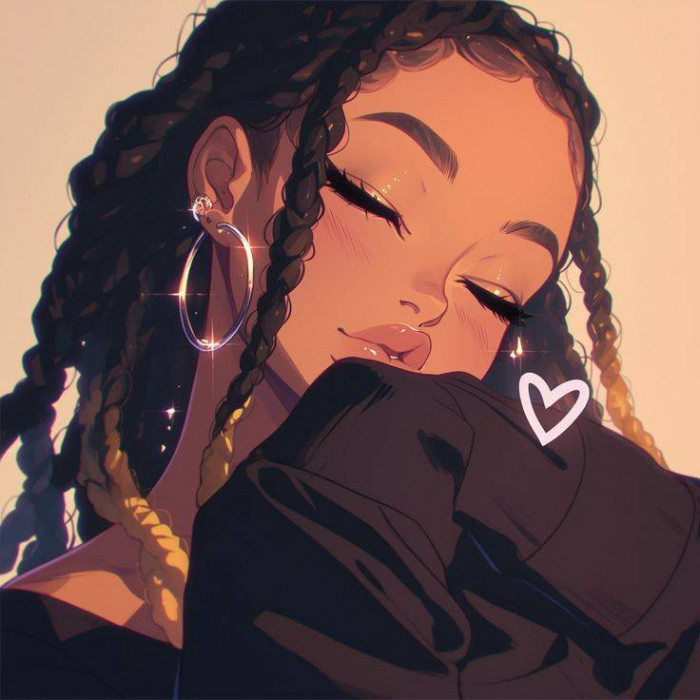
AI portraits spread because they solve three problems at once: privacy, polish, and speed.
Creators use them when they want a face without revealing a real one. Engagement tends to be strong initially, but long-term trust depends on customization. Generic AI faces reduce credibility once users recognize the pattern.
Best for: tech pages, AI niches, anonymous personal brands
Risk: over-perfection feels fake
Minimalist icons
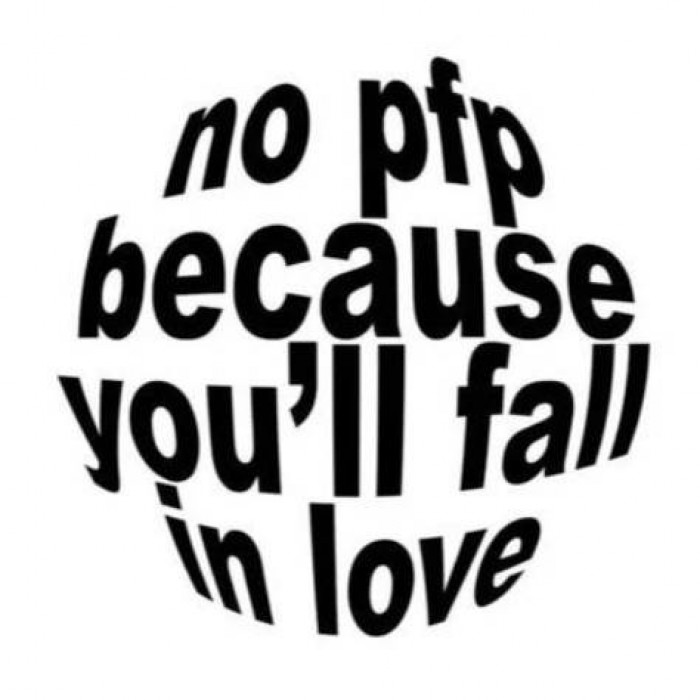
Minimal icons dominate niche pages because they scale well and remain readable. They work especially well for fact pages, theme accounts, and educational niches.
They spread because they are instantly recognizable and easy to remember.
Best for: niche brands, informational pages
Risk: emotional distance if content is personal
Meme-based identities
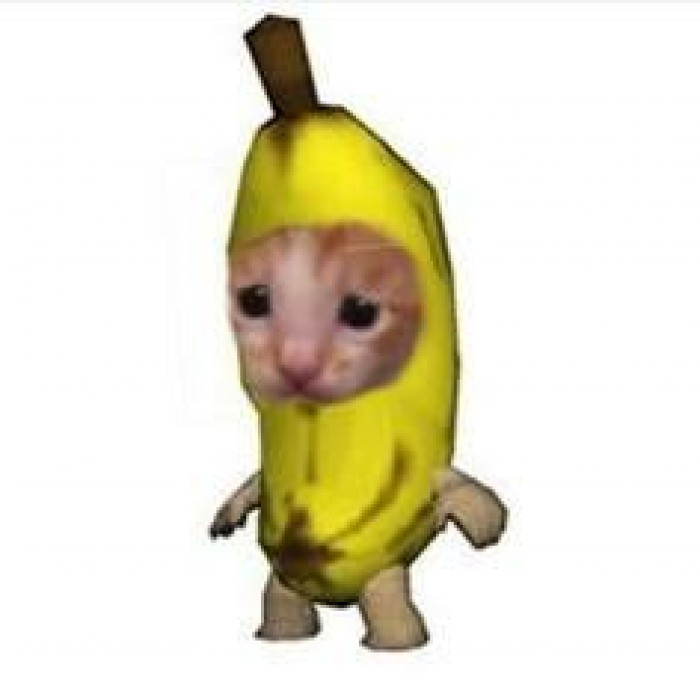
Memes spread because they tap into shared humor. A recognizable meme face or expression instantly communicates tone.
However, meme PFPs are volatile. What works this month may feel outdated next month.
Best for: humor, commentary, satire
Risk: short lifespan, copyright issues
Anime and avatar culture

Anime PFPs dominate among younger audiences and fandom-driven niches. They signal belonging and shared cultural references.
They spread because they create community identity.
Best for: fandoms, gaming, entertainment
Risk: niche limitation outside those communities
Faceless branding
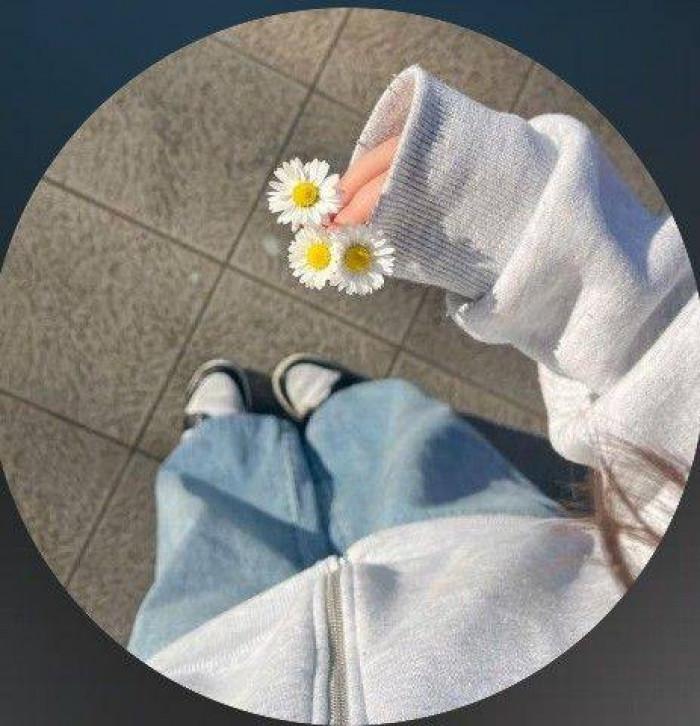
Faceless PFPs dominate niches where content is more important than identity. Motivation pages, quotes, AI facts, and story channels use them to keep focus on information.
Best for: scalable niche pages
Risk: lower emotional attachment
Low contrast images in dark mode
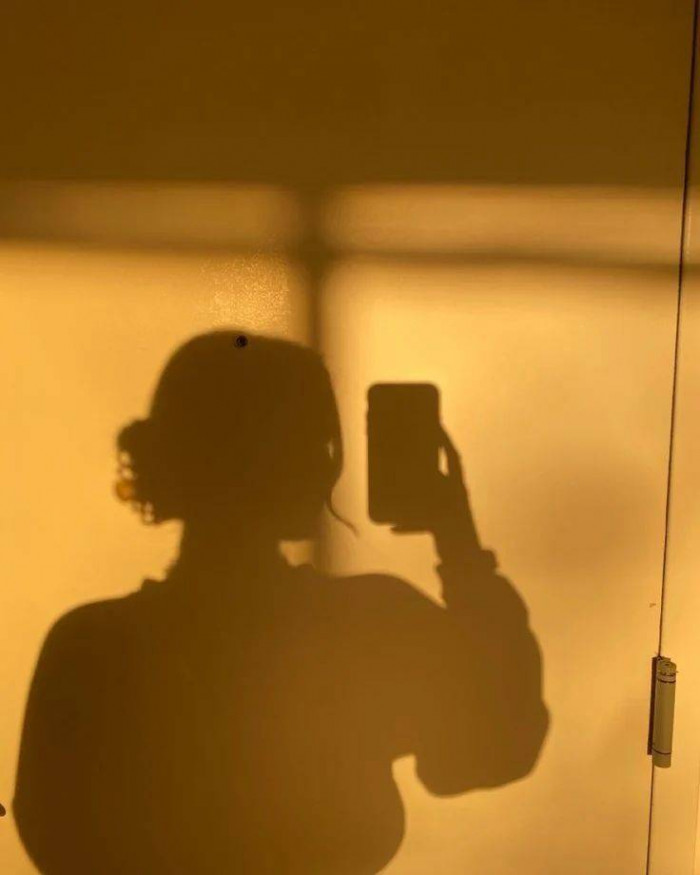
TikTok’s interface is dark. Low contrast images fade into it. Creators often blame algorithm issues when the real problem is invisibility.
Cause: muted colors, busy backgrounds
Effect: fewer profile taps
Random images that break niche identity
A PFP that does not match content forces users to re-evaluate. Most will not.
Cause: aesthetic without strategy
Effect: confusion, drop-off
Copyright and impersonation risks
Using celebrity images, copyrighted art, or brand logos can lead to takedowns or shadow visibility.
Cause: borrowed identity
Effect: account instability
A system to choose the right PFP for TikTok
Instead of guessing, use a simple decision framework.
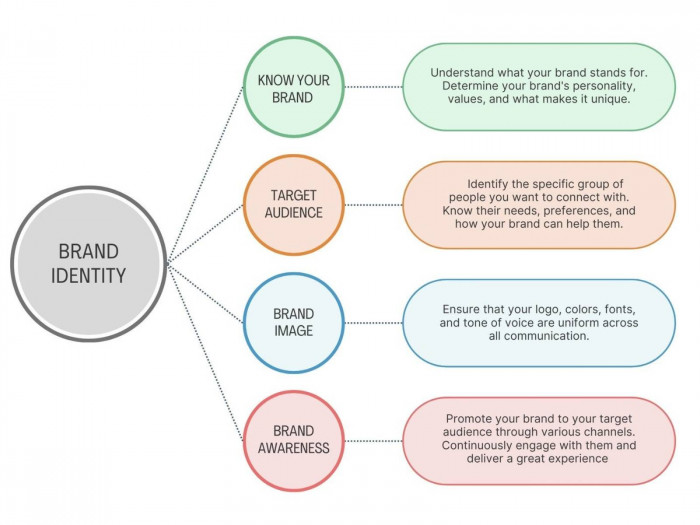
Goal → Audience → Visual style → Test → Refine
Structured checklist
1. What do you want the PFP to signal?
2. Who is your primary audience?
3. Do they expect a person, a brand, or anonymity?
4. Is the image readable at small size?
5. Does it match your content tone?
Test by changing nothing else for two weeks and watching profile visit to follow ratio.
Final thoughts
A PFP for TikTok is not decoration. It is infrastructure.
It does not make content go viral, but it decides what happens after attention arrives. Creators who understand this stop chasing random aesthetics and start designing identity with intention.
On a platform built for speed, the smallest image often carries the heaviest weight.