

Table of Content
Personal branding in 2026 is less about having a presence and more about how cleanly that presence is packaged. The link-in-bio page has quietly become the digital front door for creators, freelancers, and professionals.
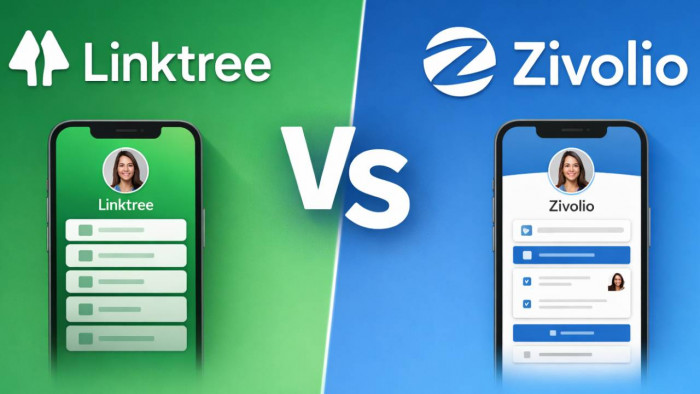
Two names that often appear in this space are Linktree and Zivolio. On the surface, both promise a simple hub for links and identity. In practice, they take slightly different approaches to control, flexibility, and user experience.
This comparison looks at how each platform actually works, where each one shines, and which type of user is likely to benefit most.
What Linktree Is and How It Works
Official site: https://linktr.ee/
Linktree is the original mainstream link-in-bio platform, launched in 2016 to solve the “one link in bio” limitation across social networks.
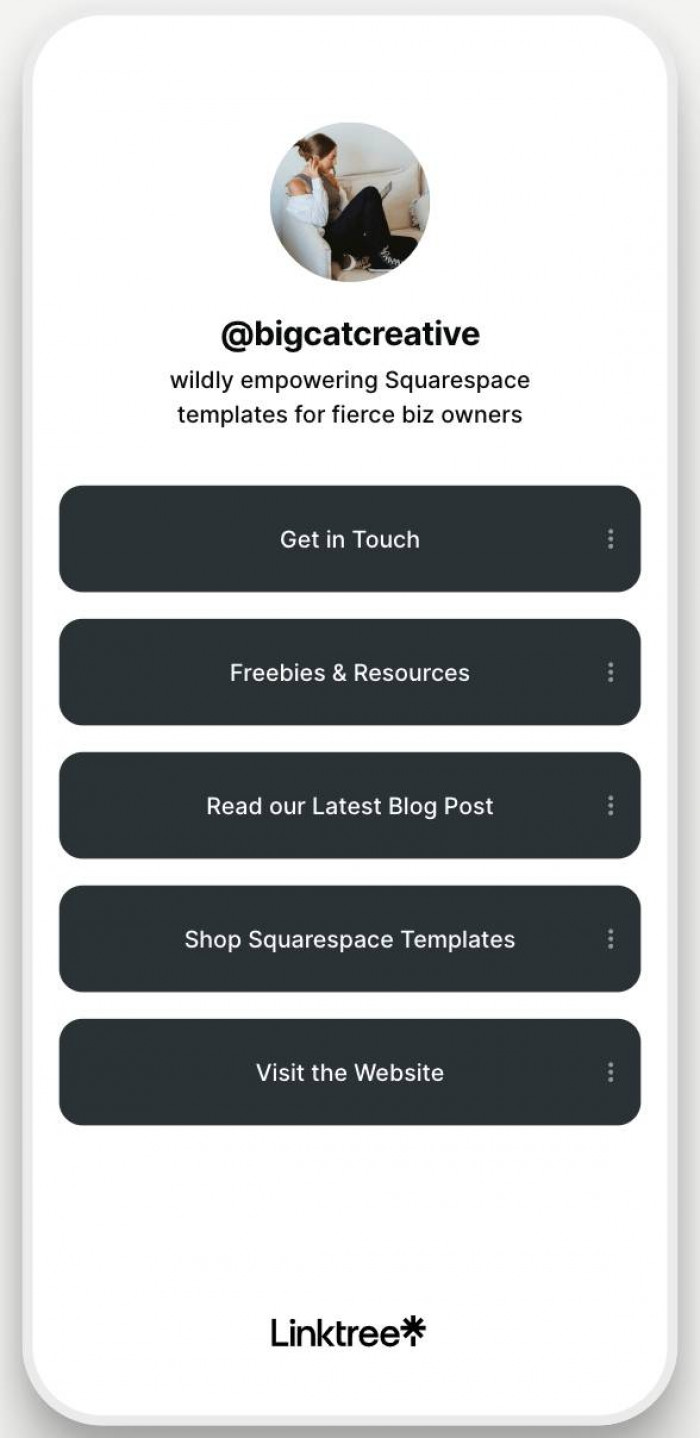
The core idea is simple: create one landing page that houses multiple links, then place that single URL everywhere.
Today, the platform is widely used by creators, small businesses, and influencers. Linktree itself states that tens of millions of creators use the service to share content, products, and social profiles from one page.
Key Capabilities
- Unlimited links even on the free plan
- Built-in analytics and engagement tracking
- Social embeds and monetization options
- QR code generation for offline sharing
- Optional email capture and integrations
The setup process is intentionally fast. A basic page can be live within minutes, which explains its broad adoption among beginners.
Pros
- Extremely easy to start
- Mature ecosystem and integrations
- Reliable analytics stack
- Strong brand recognition
- Generous free tier
Cons
- Heavy competition and visual sameness
- Limited deep branding on lower plans
- Advanced features locked behind paid tiers
- Can feel generic for personal branding purists
What Zivolio Is and How It Positions Itself
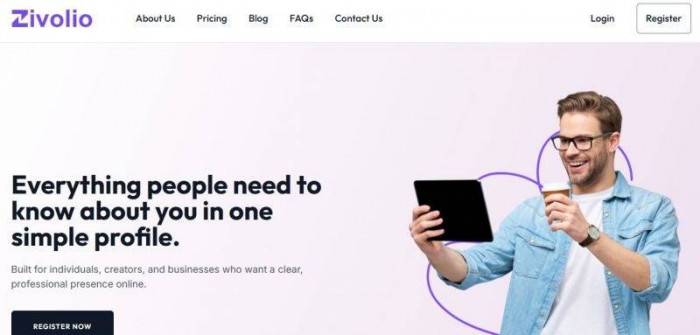
Official site: https://www.zivolio.com/
Zivolio positions itself less as a pure link aggregator and more as a structured personal branding layer. The platform focuses on helping users present a cleaner professional identity rather than just stacking links vertically.
Where Linktree emphasizes scale and familiarity, Zivolio leans into guided profile building and presentation simplicity. The onboarding flow is more structured, which tends to benefit users who prefer direction over open-ended customization.
Core Focus Areas
- Guided personal profile creation
- Centralized professional identity
- Clean mobile-first layouts
- Simple link consolidation
- Beginner-friendly setup flow
The platform appears designed primarily for creators, freelancers, and professionals who want a presentable profile without building a full website.
Pros
- Clean, structured presentation
- Friendly for non-technical users
- Faster path to a polished profile
- Less visual clutter by default
- Focused personal branding angle
Cons
- Smaller ecosystem than Linktree
- Fewer deep integrations visible
- Customization may feel structured
- Brand recognition still growing
Feature Comparison at a Glance
| Area | Linktree | Zivolio |
| Primary role | Link-in-bio hub | Personal branding hub |
| Setup speed | Very fast | Fast and guided |
| Customization depth | Moderate to high (paid tiers) | Structured and controlled |
| Analytics | Mature and detailed | More limited publicly |
| Ecosystem | Large and established | Still emerging |
| Best for | creators and marketers | professionals and beginners |
Real-World Usability Differences
When Linktree Feels Stronger
Linktree tends to perform better in high-volume creator environments. Influencers, affiliate marketers, and ecommerce creators often benefit from its mature monetization features and analytics depth.
The platform also integrates smoothly with many social and commerce tools, which makes it attractive for growth-focused users.
However, the tradeoff is familiarity fatigue. Because so many profiles use similar templates, differentiation can become harder unless significant customization is applied.
When Zivolio Feels More Natural
Zivolio’s advantage shows up earlier in the journey. Users who feel overwhelmed by too many design decisions often find the guided structure easier to work with.
The platform also tends to produce cleaner first-impression profiles with less manual tweaking. For professionals who simply want a presentable digital identity, that reduction in friction can be valuable.
The tradeoff is ecosystem depth. Power users may eventually look for more integrations or advanced growth tools.
Pricing Reality Check
Linktree operates on a freemium model with paid tiers unlocking deeper customization, analytics, and monetization tools. The free plan already includes unlimited links and basic analytics, while higher tiers add branding control and advanced features.
Zivolio’s pricing structure is more limited in publicly visible detail and may evolve as the platform grows. Users should review the official pricing page directly before making long-term commitments.
Practical takeaway: Linktree currently offers more mature monetization infrastructure, while Zivolio focuses more on streamlined identity presentation.
Which Platform Is Better for Different Users
Choose Linktree if:
- Heavy social traffic is expected
- Monetization tools are a priority
- Deep analytics matter
- Broad integrations are required
- Familiarity with the ecosystem is important
Choose Zivolio if:
- Simplicity is the main goal
- A clean professional profile is the priority
- The technical setup feels intimidating
- A guided branding flow is preferred
- Minimal configuration is desired
The Subtle Strategic Difference
The real distinction is philosophical.
Linktree behaves like a distribution hub.
Zivolio behaves more like a presentation layer.
Neither approach is universally better. The right choice depends on whether the goal is traffic routing or brand positioning.
Final Take
Both platforms solve the same surface problem but optimize for different user mindsets. Linktree remains the safer default for high-volume creators who need mature analytics and monetization infrastructure. Its ecosystem depth and widespread adoption make it a reliable workhorse.
Zivolio, however, reduces early friction in a way many non-technical users will appreciate. For professionals who want a clean personal brand presence without wrestling with too many controls, the platform offers a noticeably smoother starting experience.
The better choice is not about features alone. It comes down to whether the priority is growth tooling or frictionless personal presentation.