

Table of Content
Instagram’s newest viral effect is bringing back the look of late-2000s digital camera photos. The platform’s AI-powered Flash filter has quickly become one of the most popular effects in Stories, giving ordinary phone photos the harsh, nostalgic look of a compact camera flash from the pre-smartphone social era.
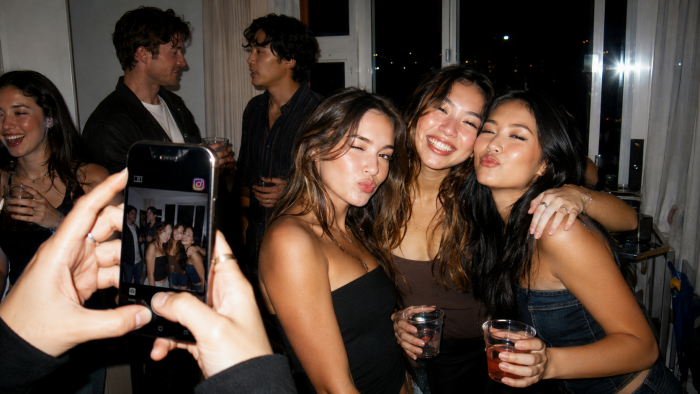
The effect turns a normal image into something that looks like it was taken at a party in 2007: bright flash on the face, shiny highlights on the skin, a dark background, soft grain, and that slightly imperfect point-and-shoot camera feel. It is polished enough to look intentional, but messy enough to feel more casual than the heavily edited Instagram style that dominated the last decade.
The filter’s appeal is simple. Users do not need an old digital camera, a flash attachment, or editing knowledge. They upload a regular photo, apply the effect, and the image is rebuilt with the direct-flash look that has become popular across Stories, Reels, and TikTok-style before-and-after posts.
How the Flash Filter Works
The Flash filter is not just increasing brightness or adding a vintage color grade. It uses AI to restyle the full image around a specific visual language. The result often includes a strong front-facing flash, overexposed skin, flat lighting, a darker background, visible shadowing, soft grain, and a warmer or cooler cast depending on the version used.
That is why the output feels closer to an old compact-camera photo than a normal Instagram preset. The AI does not simply adjust the photo. It reinterprets the scene to make it look like it was shot with a small digital camera firing its built-in flash at close range.
The style is heavily tied to the return of Y2K and late-2000s nostalgia. The look once felt accidental, even low-quality, but it now reads as spontaneous, raw, and stylish. In a social media culture tired of overly smooth skin, perfect lighting, and heavily processed faces, the rough flash effect feels surprisingly fresh.
Where Users Can Find It
The Flash filter is available inside Instagram Stories through the platform’s AI creation tools. Users can open Stories, select a photo, tap the effects option, browse effects, and choose Flash. Some users are also experimenting with versions such as Flash III or Dirty Flash, which produce slightly different tones and intensity.
The feature has rolled out across iOS and Android, though availability may vary by account. Users who do not see it may need to update the Instagram app. Some accounts also appear to have a daily-use cap, which has made the effect feel even more limited and share-worthy.
That scarcity has helped the trend spread. When users get a strong result, they tend to post it quickly. The one-use feeling adds urgency, and the before-and-after format makes the effect easy to share across platforms.
Why It Is Taking Off
The Flash filter is popular because it fits a wider shift in online aesthetics. Younger users have been moving away from the ultra-clean “Instagram face” look that became common from the mid-2010s onward. Instead of perfectly edited portraits, many creators now prefer photos that look less controlled, less glossy, and more personal.
This does not mean the images are actually unedited. The Flash filter is still an AI effect. But visually, it performs the opposite of a beauty filter. It adds harsh shadows, blown-out highlights, and artificial imperfection. That makes it feel closer to a candid party photo than a carefully edited selfie.
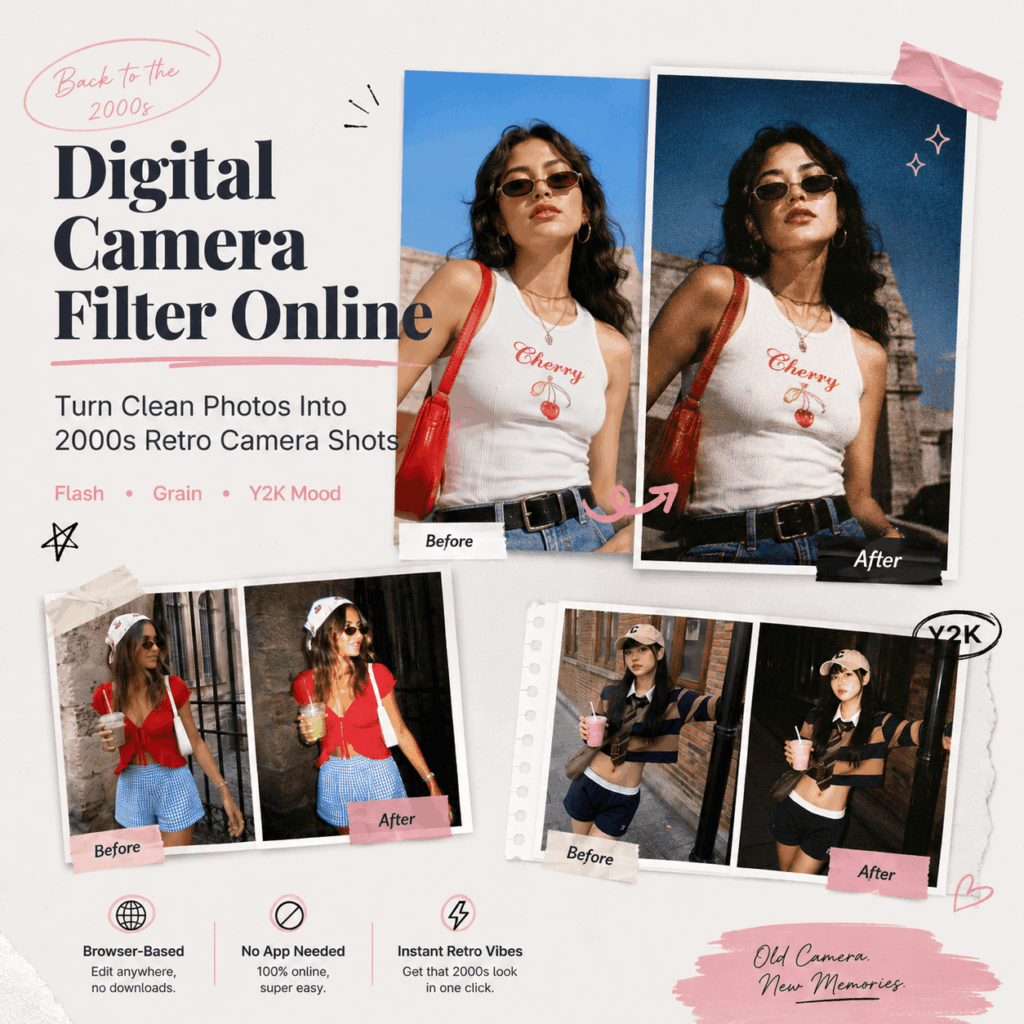
The filter has also gained momentum through transformation videos. Creators show the original photo first, then reveal the AI flash version. The contrast is immediate and easy to understand, which makes the format ideal for short videos, Reels, and reaction posts.
The AI Problem Behind the Trend
The filter also comes with a familiar generative AI issue: it can change people’s faces. Because the effect rebuilds parts of the image rather than simply adding a surface filter, some users have noticed changes to facial shape, eye color, skin tone, and overall appearance.
That matters because a fun aesthetic filter can become uncomfortable if it makes someone look unlike themselves. The issue is especially sensitive when AI changes identity-related features or alters a person’s face too aggressively.
Instagram does show users an option to adjust results when the output looks wrong, but the limitation is still worth knowing. The filter tends to work best on simple photos with one clear subject, such as mirror selfies, night-out photos, or close portraits. Busy group shots and crowded scenes are more likely to produce odd results.
What It Means for Creators
For creators and brands, the Flash filter is a quick way to join a visual trend without a large production setup. A simple behind-the-scenes photo, product shot, outfit image, or workspace moment can be turned into something that feels more stylish and culturally current.
The timing matters, though. Visual trends move quickly. The Flash filter is popular now because it feels new, nostalgic, and instantly recognizable. Once too many people use it, the same look may start to feel repetitive.
The bigger takeaway is that AI filters are becoming part of how social media trends form. A single tool can quickly create a shared visual style across millions of posts. Instagram’s Flash filter shows how AI can turn an old photographic accident into a modern social media aesthetic, one tap at a time.