


Table of Content
- How AI content creation evolved beyond text
- Why modern content needs more than written words
- How an AI image generator fits into modern content workflows
- Visual content as a core part of AI-powered content
- Using AI image Face swap in contextual and creative content
- How AI tools are blending writing, visuals, and research
- Why creators are moving toward multi-modal AI content
- Where platforms like ImagineArt fit in the AI content ecosystem
- Limitations and responsible use of AI content tools
- Key takeaways
- Conclusion
- FAQs
For a long time, AI content creation was almost always associated with text. Blog drafts, summaries, emails, and basic copywriting were the main use cases. That perception still exists, but it no longer reflects how AI is actually being used today.
Modern content is not just written. It is visual, contextual, and multi-format. Articles need images. Research needs visual explanation. Educational content needs structure and presentation. As a result, AI content creation has expanded far beyond writing and into areas that directly support how people consume information.
How AI content creation evolved beyond text
Early AI tools focused mainly on language. They helped users write faster, organize ideas, and process information more efficiently. Over time, creators realized that writing alone was not enough to deliver complete content experiences.
Today, AI supports multiple layers of content creation. Alongside writing and structuring ideas, tools such as an ai image generator make it possible to create visuals that explain concepts, support narratives, and add context. AI now contributes to visual creation, content formatting, and research summarization, helping teams build richer and more accessible content.
This shift has changed how individuals and organizations approach content. Instead of treating text as the final output, content is now developed as a combination of words, visuals, and supporting elements that work together.
Why modern content needs more than written words
Audiences no longer consume content in a linear way. People skim, scan, and visually process information before they read deeply. This is true for blogs, websites, reports, and even educational material.
Visuals help:
- Explain complex ideas faster
- Improve comprehension and retention
- Break long content into digestible sections
- Make information more accessible
Relying only on text creates friction. Content that combines writing with visuals feels clearer and more intentional. This is why AI tools that support visual generation have become a natural extension of AI writing tools.
How an AI image generator fits into modern content workflows
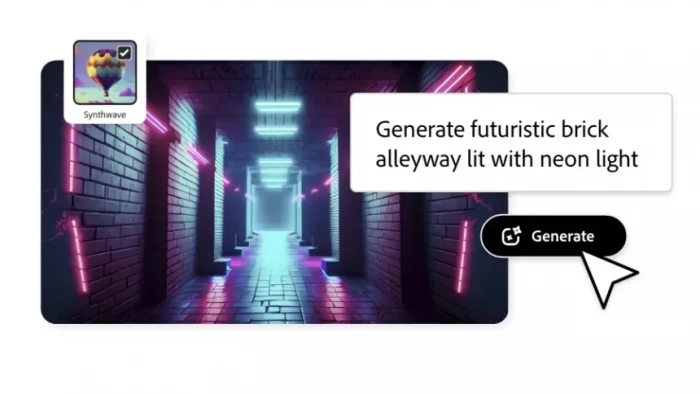
As content creation expanded, visuals became a practical requirement rather than a design preference. This is where an AI image generator fits naturally into the workflow.
Instead of searching through stock libraries or waiting for custom designs, creators can generate visuals that directly match their written content. This makes it easier to align images with the topic, tone, and purpose of the text.
An AI image generator supports content creation by:
- Turning abstract ideas into visuals
- Supporting blog posts, landing pages, and research articles
- Reducing dependency on generic stock images
- Keeping visual context consistent with written content
For creators, this means visuals are no longer a separate task. They become part of the same content creation process.
Visual content as a core part of AI-powered content
Visual content is not an add-on. It is now a core component of how information is shared and understood. Diagrams, illustrations, conceptual images, and supporting visuals often communicate faster than paragraphs of explanation.
AI-powered visual creation allows creators to:
- Illustrate concepts that are hard to photograph
- Add clarity to technical or educational content
- Create supporting visuals without design skills
- Maintain visual consistency across multiple pieces of content
This integration of visuals into AI content workflows reflects how people actually consume information today.
Using AI image Face swap in contextual and creative content
Some AI visual tools go beyond illustration and into personalization and creative storytelling. One example is AI image Face swap, which can be used responsibly in specific content scenarios.
When applied thoughtfully, face swap technology can support:
- Educational demonstrations and simulations
- Creative storytelling and scenario-based content
- Localized or personalized visual examples
- Controlled marketing or awareness campaigns
The key factor is context. Face swap tools are most effective when they serve a clear purpose and align with the message of the content. Like all AI tools, they require ethical consideration and human oversight.
How AI tools are blending writing, visuals, and research
AI content creation is now best understood as a system, not a single function. Writing tools help generate structure and clarity. Visual tools help explain and reinforce ideas. Research tools help summarize and contextualize information.
Together, they create a unified workflow where:
- Ideas move from concept to explanation faster
- Content feels more complete and intentional
- Creators spend less time switching between tools
- Output aligns better with audience expectations
This integrated approach is especially valuable for professionals, educators, marketers, and researchers who need accuracy, clarity, and efficiency.
Why creators are moving toward multi-modal AI content
Creators are adopting multi-modal AI workflows because they reflect how content is consumed in real life. Text alone is rarely enough to engage or inform fully.
Multi-modal AI content offers:
- Faster production cycles
- Better engagement and comprehension
- More flexible content formats
- Stronger alignment between message and presentation
This shift is not driven by trends. It is driven by practicality. Content that combines writing and visuals simply performs better.
Where platforms like ImagineArt fit in the AI content ecosystem
As AI content creation expands, specialized tools play specific roles. Platforms like ImagineArt support the visual side of content creation, complementing text-based and research-focused AI tools.
They help creators generate images that align with written content, maintain consistency, and adapt visuals for different formats. For non-designers, this removes a major barrier and allows visual content to be created as part of the same workflow as writing.
In this way, visual AI tools become part of a broader content system rather than standalone utilities.
Limitations and responsible use of AI content tools
Despite their capabilities, AI tools do not replace human judgment. Context, accuracy, and intent still matter. AI-generated content should always be reviewed, refined, and aligned with ethical standards.
Responsible use includes:
- Reviewing outputs for accuracy and clarity
- Ensuring visuals match the intended message
- Avoiding misleading or inappropriate use cases
- Maintaining transparency when needed
AI works best as an assistant, not an authority.
Key takeaways
- AI content creation has expanded beyond writing
- Visuals are now a core part of content workflows
- AI image generators support clarity and context
- Face swap tools require responsible and intentional use
- Multi-modal AI content reflects modern consumption habits
Conclusion
AI content creation is no longer limited to words on a page. Writing remains important, but it is only one layer of how information is communicated. Visuals, structure, and context now play an equally important role.
As AI tools continue to evolve, content creation becomes more integrated and efficient. The future of content lies in multi-modal workflows where text, visuals, and research work together. For creators, this shift is not about replacing skills. It is about expanding what content can be.
FAQs
1. Is AI content creation only about writing
No. AI content creation now includes visuals, research, formatting, and presentation alongside text.
2. How does an AI image generator support written content
It helps create visuals that match the context and message of the text, improving clarity and engagement.
3. Can AI visuals replace professional designers
AI supports visual creation, but design strategy and branding decisions still require human expertise.
4. What is AI image Face swap used for in content creation
It can be used for creative, educational, or personalized content when applied responsibly and with clear intent.
5. Can non-technical users use AI tools for content creation
Yes. Most modern AI tools are designed to be accessible and usable without technical knowledge.